




Bringing a new puppy into yoru home can be one of the most exciting moments for any dog owner. Those little furballs are not just super cute; they’re also a bundle of energy and curiosity that can brighten up even the dullest of days. But if you’re lucky enough to have a litter of adorable puppies, you might find yourself wondering: when’s the right time to start handling them? After all, you want to make sure you’re doing it right, both for the puppies and for the mama dog. In this article,we’ll break down the best times and tips for safely interacting with those tiny pups,so you can enjoy all the snuggles without any worries. Let’s dive in!

Every puppy goes through stages of growth and development that are pretty significant for their overall well-being. It all starts from the moment they’re born.During the first few weeks, they’re like tiny potatoes, totally relying on their mom for everything.They can’t see or hear yet,and all they do is eat,sleep,and snuggle. This stage is crucial because it helps them bond with their mom and littermates, laying the foundation for their social skills later on.
As they hit about three weeks old,things start to get exciting! This is when puppies begin to open their eyes and ears,which opens up a whole new world for them. You might notice them starting to crawl around more and even play-fighting with their siblings. It’s critically important at this stage to let them interact with each other, as this is where they learn bite inhibition and social skills. But be careful about handling them too much just yet—let them have their puppy time!
Once they reach around six to eight weeks, they’re really ready for the big world! This is ofen when breeders begin to introduce them to new sights, sounds, and people. It’s like their first taste of adventure! they soak everything up like little sponges. This is also a crucial time for their acceptable behavior and early training. You can gently start handling them more during this phase, as proper socialization can really make a difference for a well-adjusted dog later in life.
from about 12 weeks onward, the puppy is more confident and curious. They’ll be bouncing around and getting into everything! This is a great time for you to start serious training. They’ll be testing boundaries,and you’ll want to be there to guide them. Keeping up with their training during this time ensures they grow into a kind and obedient adult dog. Plus,the bond you form now will set the tone for your whole life together!
Bringing home a litter of puppies is super exciting, but it’s also a big responsibility. First things first,you want to make sure the space around them is safe and cozy. Puppies are naturally curious little champs, and they’ll explore anything they can get their paws on! So, it’s a good idea to block off any areas that could be dangerous. Try to:
Next up, you’ve gotta think about comfort.Puppies need a warm and nurturing spot to cuddle up and feel secure. Make sure their sleeping area is comfy with soft blankets or dog beds. A quiet corner away from the hustle and bustle of the house can help them nap without too many distractions. You can start by laying out:
| comfort Items | Purpose |
|---|---|
| Soft blankets | Provide warmth and a sense of security |
| Dog beds | Offer a dedicated space for rest |
| Chew toys | Keep them entertained and help with teething |
It’s also super important to expose puppies to different sounds and experiences gradually. This can help them get used to what life is like outside of their little bubble.Whether it’s the sound of the vacuum, the TV, or the kids playing, doing it in a calm way can help them feel less scared when they meet the big wide world.just remember to:
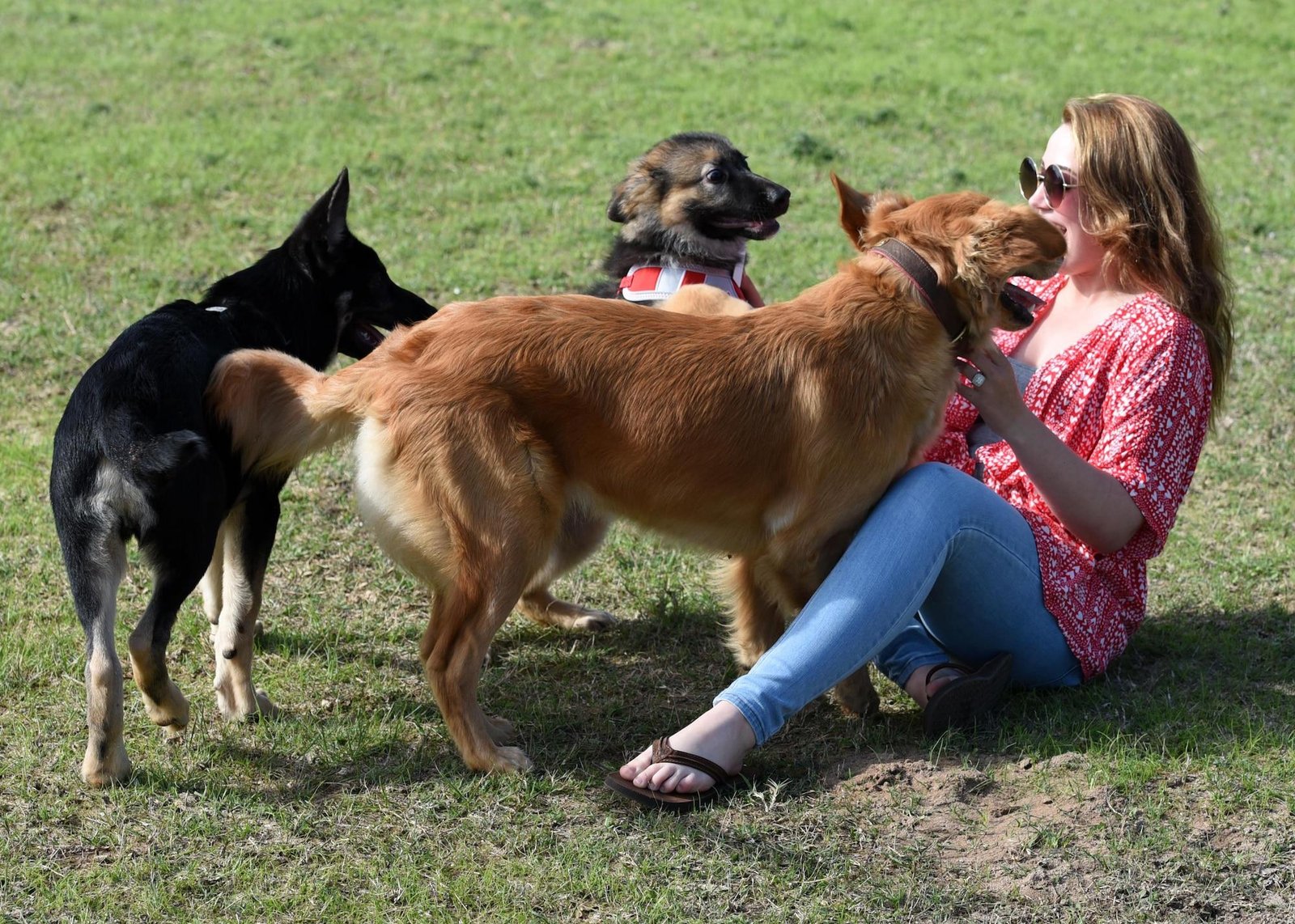
When it comes to puppy interaction, timing is everything. You’ll want to hit the sweet spot where the little furballs are awake and ready to play but not too hyper or tired out. Here are some signs that the moment is just right:
keep in mind that some puppies can be more shy or reserved than others. With these pups, patience is key. Watch for signals that they’re warming up to you, like tail wags or soft barks.If they seem hesitant, give them a little space and let them come to you when they’re ready.
It’s also important to pay attention to their body language. Here are a few things to watch out for:
| Body Language | Meaning |
|---|---|
| Tail wagging | Happy and excited |
| Lowered ears | Feeling shy or scared |
| Paw lifting | Curious and ready to engage |
| Tongue flicking | Feeling uncertain or anxious |
Lastly, always remember that every interaction should be fun and positive. whether you’re training, playing, or just hanging out, make sure it’s an enjoyable experience for both you and the puppies. That way, they’ll come to see you as a friend and not someone to shy away from. Developing trust takes time, but finding those right moments makes it all worthwhile!
Getting your hands on those adorable puppies can be super tempting! But hold on,timing is everything. The best time to start socializing those little furballs is usually around the three to twelve weeks mark. This is a crucial window where pups are more open to new experiences, sounds, and people. Early socialization helps them grow into well-adjusted adults and makes their lives a lot easier. So, don’t rush in too soon; give them a little time to bond with their mom and littermates first.
When it’s finally time to handle the puppies, here are some simple tips to keep in mind:
Don’t forget, it’s not just about handling them. You want to ensure they’re interacting with different kinds of people and even other pets if possible.This helps them learn how to act in different situations, from calm to chaotic. Here’s a quick look at some socialization stages:
| Age Range | Socialization Focus |
|---|---|
| 3-5 weeks | Basic handling and noise exposure |
| 6-8 weeks | Different people,sounds,and surfaces |
| 9-12 weeks | other pets,outdoor experiences |
lastly,always read the puppies’ body language. If one is a bit shy or hesitant, it’s cool to give them space. Patience is key here. Not all pups come with the same level of confidence, and that’s totally normal. Celebrate their little wins and keep things positive, and in no time, you’ll have a bunch of happy, well-socialized pups!
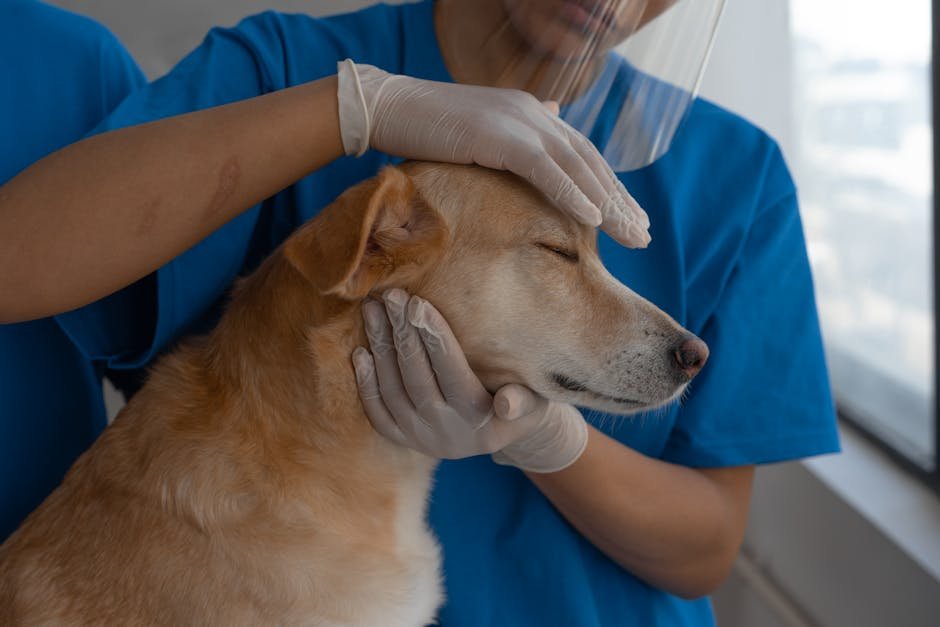
When you start handling those little furballs, keep a close eye on their health and behavior. Puppies are super curious but can also get a bit overwhelmed. It’s crucial to watch out for any signs that they might not be too happy with all the cuddles and attention. look for things like wagging tails or little barks of excitement versus signs of stress like whining or trying to escape your grip. Giving them the right balance of handling and alone time is key.
Ensuring the environment is puppy-friendly is another big factor. Keep things calm and quiet, and try to minimize loud noises or too many people at once. The goal is to create a safe space where they can feel relaxed while being handled. Things like familiar scents, toys, or a cozy blanket can help make them feel at ease. If things start to seem a bit chaotic, it’s totally okay to take a step back and let them chill for a bit.
Here are some behavioral signs to keep in mind while handling:
If you notice any concerning signs, it might be best to take a break. Here’s a simple health checklist to ensure everything’s good while you handle them:
| health Check | What to Look For |
|---|---|
| Eyes | Clear and bright? |
| Coat | Soft and shiny? |
| Ears | Clean and odor-free? |
| Breathing | Steady and not labored? |
Q&A: When’s the Right Time to Handle Dog’s Adorable Puppies?
Q: So, when can I start handling my dog’s puppies?
A: Great question! You wanna wait until the little furballs are about three weeks old. That’s when their eyes and ears start to open up, and they become more aware of their surroundings. Before that, it’s best to let mama dog do her thing and keep ‘em safe.
Q: What if I can’t wait to cuddle them?
A: we get it, those tiny paws and wiggly tails are hard to resist! But remember, mama dog is really protective during the first few weeks. Plus, the puppies need to bond with her. Give it a little time!
Q: Are there signs that the puppies are ready for some human interaction?
A: Yup! Once they hit that three-week mark and start walking around a bit, they’re usually pretty curious. If you see them exploring their surroundings and trying to play with each other, it’s a good sign they’re ready for some gentle handling.
Q: How should I handle the puppies when the time comes?
A: The best way is to keep it chill. Sit down on the floor and let the puppies come to you. Always scoop them up gently, supporting their bodies. Remember, they’re still pretty fragile!
Q: Is it okay for kids to handle the puppies too?
A: Kids can definitely bond with puppies, but it’s super important to supervise.Make sure they understand how to be gentle and calm. Puppies can get overwhelmed or scared,so teach them to approach slowly.
Q: What about the first vet check? When should that happen?
A: Good thinking! Typically,you should plan for that first vet visit around six to eight weeks to get a clean bill of health and start vaccinations. giving them a little time in your home before that helps them grow just a bit stronger and used to human interaction.
Q: How can I make sure the puppies feel safe while being handled?
A: Keeping the environment calm is key. Use soft voices, avoid loud noises, and make sure everyone’s hands are clean.Also, allow the puppies to retreat if they feel overwhelmed. They should always have a safe place to go back to, like with their mama.
Q: Is there anything else I should keep in mind when handling puppies?
A: Absolutely! keep sessions short and sweet. Puppies have short attention spans and can tire easily. also, make sure not to handle them too much around mealtime. A hungry pup is a grumpy pup!
Q: How do I know if I’m handling them for too long?
A: If they start squirming or whining, it’s time to give them a break. pay attention to their body language. Just like us, they need some personal space now and then!
And there you have it! Handling those adorable puppies can lead to a lifetime of love, just make sure you do it at the right time and in the right way! Happy puppy cuddling!
So there you have it! Knowing when to handle those cute little puppies isn’t just about wanting to cuddle; it’s important for their growth and socialization. keep an eye on their age, watch for their mom’s cues, and be mindful of their little personalities. Remember, every pup is unique, just like every dog lover! Take your time, enjoy the process, and make sure those snuggles happen at the right time. Happy puppy handling!

Mateo Cardenas
Part-time editor at Pawsyverse, occasional actor, entrepreneur, and nature junkie. When I’m not writing, you’ll catch me chasing the ball on the soccer field or geeking out over cheetahs and penguins (yep, I know, penguins... but I hate cold weather!). I’m all about good vibes, growing as a person, and staying close to God. Honestly, animals amaze me — after humans, they’re the coolest creatures on Earth.