





if you think you know all the quirky critters that pop up in Japanese folklore, think again! Meet Tanuki, a fun little creature that’s part raccoon, part trickster, and all kinds of interesting. You might have seen the chubby, playful tanuki statues outside certain shops or restaurants in Japan, but there’s a lot more to this character than meets the eye. From its mischievous antics to its deep-rooted cultural meaning, we’re diving into the world of tanuki to uncover the stories and myths that make this fluffy friend a must-know in the realm of Japanese folklore. So, grab a cup of tea, sit back, and let’s explore the wild and wacky world of tanuki together!
Tanuki, frequently enough translated as “raccoon dog,” has a pretty fascinating backstory in Japanese folklore. These creatures are more than just cute animals; they’ve got a wild history steeped in myth and cultural significance. In ancient japan, people believed that the tanuki were protectors of the land and the forest. They were seen as a kind of playful spirit that could bring good luck or mischief, depending on the day and how you treated them.
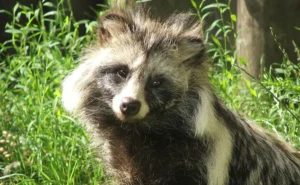
Legends tell us that tanuki have the ability to shapeshift, which is one of the reasons they’re so captivating in stories. They can transform into anything from a beautiful woman to an inanimate object. Imagine a charming tanuki fooling travelers by turning into a pile of rice cakes or even a rock! This shapeshifting ability often symbolizes adaptability and the idea that appearances can be deceiving—something that resonates in cultural lessons and fables.
Back in the day, they were frequently enough associated with rice farming and fertility.Farmers believed that having tanuki around would ensure a bountiful harvest. That’s why you’ll see a lot of tanuki statues, especially in rural areas—they’re like little guardians for crops.They frequently enough carry a flask of sake and are depicted with a big grin,which just screams “good times ahead!” In a lot of ways,they reflect the joyful spirit of the Japanese countryside.
Even in modern pop culture, these little guys have made their mark. You might find them popping up in anime, video games, and various forms of media, showing how they’ve truly stood the test of time. Some stories portray them as tricksters, while others highlight their protective nature.It’s fascinating to see how these dual personas capture the complexity of life, reminding us that sometimes, things are not what they seem. Tanuki truly represent a blend of culture, tradition, and a bit of whimsy that keeps them relevant to this day.
When you think of unique animals,you might picture exotic creatures from faraway lands,but let’s not overlook the tanuki. Frequently enough referred to as the Japanese raccoon dog, these little guys pack a pretty interesting punch when it comes to their traits and characteristics. First off, they’re not actually raccoons; they’re more closely related to dogs and foxes. This distinction can sometimes throw people for a loop, especially when you see their cute, raccoon-like faces!

One of the most notable features of tanuki is their adaptability.These critters have a knack for thriving in a variety of environments, from forests to urban areas. That’s right; you’ll even find them rummaging through trash in city parks! Their diet is pretty flexible to; they’ll chow down on anything from fruits and insects to small animals. This diet helps them survive in different ecosystems, which is a big plus for a creature that likes to keep its options open.
Another funky aspect of tanuki culture is their connection to Japanese folklore. They’re frequently enough depicted in stories as mischievous shapeshifters with the ability to transform into anything they like—from inanimate objects to even people! This has earned them a reputation as tricksters, much like the coyote in Native american culture. They’re celebrated in various art forms, like statues found outside homes and shops, symbolizing good luck and prosperity.
If you think you know adorable, wait until you check out their social structure. Tanuki are typically quite social and tend to live in small family groups. They communicate with each other through a mix of barks and howls, frequently enough forming strong family bonds. It’s not just about survival; they really look out for each other. Plus, their fluffy tails can make for some pretty adorable family photos when they’re all huddled together!
Tanuki, often dubbed as shapeshifters, are much more than just cute raccoon-like critters in Japanese folklore. They represent a mix of fun and mischief, embodying playful qualities that resonate deeply with the everyday lives of people. You might encounter them hanging around temples or shrines, and they generally symbolize wealth and prosperity. With their round bellies and big smiles, they’re thought to bring good fortune, and it’s common to see them outside shops and restaurants as a way to attract customers.
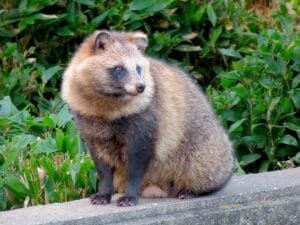
In japanese culture, these creatures have a knack for blending reality with the supernatural. Tanuki are said to have the ability to transform into anything, from inanimate objects to people, which serves as a metaphor for the ever-changing nature of life. This change is more than just a party trick; it gives them a deeper meaning tied to adaptability and resilience. In tough times,people look to tanuki as a symbol of hope,showing that even when life gets tricky,there’s room for reinvention.
Beyond their playful antics, tanuki hold meaningful religious and cultural importance. They’re frequently enough depicted in art, crafts, and literature, which reveals their lasting impact on Japanese traditions. Additionally, their image is used to ward off evil and promote happiness. You may even see tanuki statues that come equipped with the classic features—a top hat, a bottle of sake, and a large belly—that serve as reminders of prosperity and cheer.They’ve indeed made a mark that bridges the gap between the real world and spirits.
It’s also worth noting that the tanuki’s relationship with nature highlights a broader environmental message. As custodians of the forest,they remind people of the importance of respecting and protecting the natural world. This is crucial in Japanese culture,where nature is frequently enough woven into the fabric of spiritual beliefs and practices. Whether you see them in movies, games, or folklore, tanuki encapsulate whimsical charm while giving you a glimpse into the rich narrative that shapes Japanese society.
Tanuki have really carved out their niche in modern pop culture, and you might be surprised at where you’ll find them. They pop up not just in traditional folklore but also in video games, cartoons, and even commercials. One of the most famous representations is in the world of gaming, where these shape-shifting tricksters often have a playful or mischievous role. Games like Super Mario feature the Tanooki Suit, allowing Mario to fly and turn into a statue. This playful use of Tanuki reflects their lore as playful creatures that can deceive but also protect.

Then there’s the anime scene, where Tanuki show up in various forms, from cuddly sidekicks to the main stars. Take the series Pom Poko as an example; it dives deep into their lore while commenting on urban advancement and nature. It’s not just entertainment, either; it’s a blend of fun and serious themes, showing how Tanuki can embody both joy and sadness. Fans of anime often appreciate this duality, as it gives their characters depth while keeping the whimsical nature intact.
In the world of advertising,tanuki have been used to sell everything from local beers to snacks. Their adorable vibe and rich cultural background make them perfect for catching attention. Many brands use Tanuki to highlight their connection to Japanese culture or to present a fun, light-hearted image. It’s a smart move; who wouldn’t want to try a product associated with such quirky and lovable characters?
| Media | Description |
|---|---|
| Super Mario | Features Tanooki Suit, granting Mario magical abilities. |
| Pom Poko | Explores Tanuki lore amidst modern challenges. |
| Advertisements | Used in marketing to emphasize Japanese fun and culture. |
If you’re keen on catching a glimpse of the elusive tanuki in Japan, there are some super cool spots where you can find them. Kamakura,a charming coastal town,has a few famous tanuki statues that’ll definately catch your eye. Plus, wandering around the local temples will give you the chance to spot these cute critters represented in artwork and decorations everywhere. Don’t forget to snap a selfie with the iconic tanuki statues, they make for an awesome travel pic!

Another great place to immerse yourself in all things tanuki is Nara. This city is home to Nara Park, which not only boasts friendly deer roaming around but also features a few tanuki-themed spots. You can explore the store that sells all kinds of tanuki merchandise, from plushies to keychains.It’s a perfect spot to grab a unique souvenir! And while you’re there, keep an eye out for tanuki murals that are hidden throughout the park; they add a fun local flavour to your visit.
If you’re up for a little adventure, check out Kōka, the city known for its ninja history. It’s said that the tanuki may have connections to Japan’s ninja folklore. At the Kōka Ninja Village, you can dive into ninja experiences that might include tales about the mischievous nature of tanuki. While you’re at it, try your hand at some ninja training! It’s a quirky way to spend the day and learn about these mystical creatures in the process.
don’t miss out on seasonal festivals that celebrate tanuki! The Tanuki festival in takamatsu is usually held in the early fall and features a variety of tanuki-themed activities. There are food stalls, games, and even performances that highlight this lovable creature. It’s a blast for all ages and a unique way to soak in Japanese culture. Just show up ready to have fun and maybe even learn a tanuki dance or two!
Q&A: Meet Tanuki: The Japanese Creature You Didn’t Know About
Q: So, what exactly is a Tanuki?
A: Great question! A Tanuki is a creature from Japanese folklore, often described as a shape-shifting raccoon dog. They kinda look like a cross between a raccoon and a dog, and they’re known for being mischievous and playful.
Q: Are Tanukis actually real animals?
A: Yes and no! Tanukis are based on a real animal called the Japanese raccoon dog, which is native to Japan and other parts of Asia.But the Tanuki in folklore is a lot more magical. They can shapeshift, walk on two legs, and are pretty much tricksters at heart.
Q: Why are Tanukis so vital in Japanese culture?
A: Tanukis show up everywhere! They’re seen as symbols of good fortune, prosperity, and even fertility. You’ll find their statues outside of restaurants and shops as a good luck charm. Plus, they’re just fun characters that represent that playful side of Japanese mythology.
Q: Can you tell me about some tanuki powers?
A: Without a doubt! In stories, Tanukis can transform into other things—like people or objects.They can even turn leaves into money! But they’re also known for being a bit prankster-ish. So, they might pull a fast one on you if you’re not careful!
Q: are there any famous Tanuki stories?
A: Absolutely! One famous legend is about a Tanuki who transforms into a beautiful woman to trick a man. There are also stories where they help out travelers or even compete with other animals in clever challenges. They’re always up to something!
Q: How do Tanukis differ from other mythical creatures, like kitsune?
A: Good point! Kitsune, which are fox spirits, are frequently enough seen as wise and a bit more serious, while Tanukis are more laid-back and silly. They both can shapeshift, but Tanukis love to have a laugh and often act more goofy than the elegant foxes.
Q: Is there anything modern about Tanuki?
A: Totally! Tanuki have made their way into pop culture too, showing up in anime, video games, and even movies. They’re part of that cool blend of tradition and modernity that Japan has going on.
Q: So, what should I take away from this Tanuki talk?
A: just that the Tanuki is a fun and interesting part of Japanese culture! They teach us about luck, adventure, and the joy of mischief. Plus,they’re just super cute.If you ever get a chance to spot a statue or see them in a story, you’ll know a bit more about this delightful creature!

As we wrap up our deep dive into the fascinating world of Tanuki, it’s pretty clear that this little creature is more than just a cute face. With its playful spirit and rich folklore background, Tanuki offers a unique window into Japanese culture that’s definitely worth exploring. Whether you’re planning a trip to Japan or just looking to spice up your conversations with some cool trivia, knowing about Tanuki is a fun addition to your knowledge base. So next time you stumble across a picture of this charming trickster, you’ll know there’s a lot more to the story! Thanks for tagging along on this journey—who knows what other hidden gems are waiting to be discovered out there.

Mateo Cardenas
Part-time editor at Pawsyverse, occasional actor, entrepreneur, and nature junkie. When I’m not writing, you’ll catch me chasing the ball on the soccer field or geeking out over cheetahs and penguins (yep, I know, penguins... but I hate cold weather!). I’m all about good vibes, growing as a person, and staying close to God. Honestly, animals amaze me — after humans, they’re the coolest creatures on Earth.