





Have you ever looked at a modern whale and wondered where it all began? Believe it or not, these massive sea creatures have distant relatives that walked on land millions of years ago. Enter Pakicetus, one of the earliest ancestors of whales. With its somewhat dog-like appearance and a blend of aquatic and terrestrial traits, pakicetus gives us a glimpse into the captivating journey of evolution that turned land animals into the ocean giants we see today. In this article, we’ll dive into the story of Pakicetus and explore its unique features, habitat, and the role it played in the transformation of life from land to sea. So, grab your snorkel gear—we’re about to take a trip back in time!
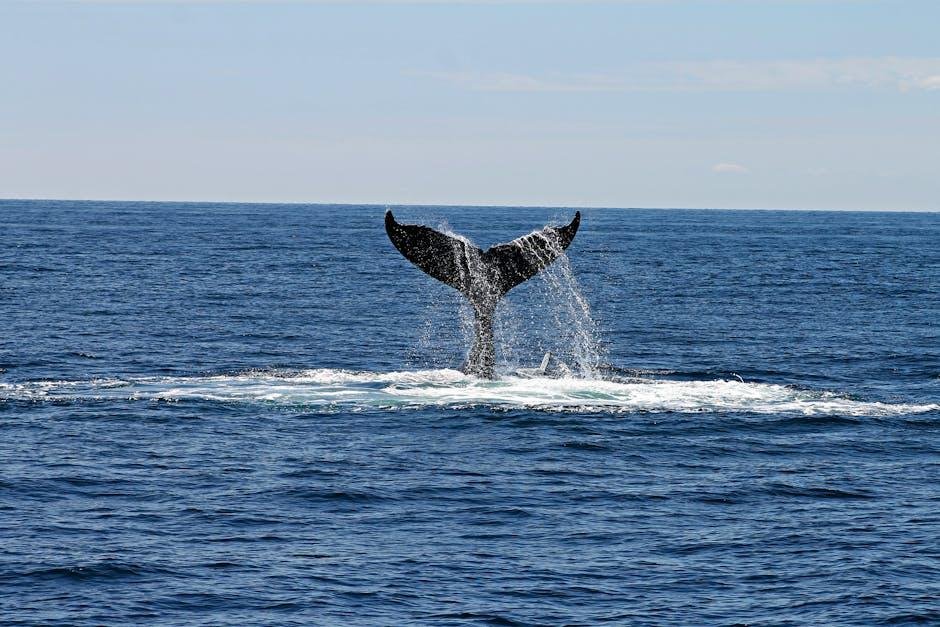
Meet Pakicetus,a fascinating creature that lived around 50 million years ago. Often considered the first ancestor of modern whales,Pakicetus looked quite different from the sleek mammals we see today. it roamed the land like a four-legged animal, sporting a mix of features that gave a nod to its aquatic future. Think of it as a sort of bridge between the land-dwelling creatures and the gigantic whales that swim in our oceans now. This critter had some pretty unique traits that tell us a lot about how evolution works.
So what did Pakicetus really look like? Well, it was about the size of a wolf and had long, slim legs, which were handy for running around on solid ground.But it also had some adaptations that hinted at its relationship with water. For example, its ears were specially designed to hear underwater sounds, showing that Pakicetus was already catching glimpses of its future aquatic lifestyle. This mix of features makes it super intriguing to scientists who study evolution and how marine animals came to be.
The diet of Pakicetus plays a big part in the story too. It probably fed on fish and other small animals, which indicates that it was no stranger to getting its feet wet. By spending time both on land and in shallow waters, Pakicetus was diving into the lifestyle that would eventually led to the amazing whales we know today. It’s like seeing the first chapters of a story before it becomes a bestseller.
Here’s a quick comparison to show just how special Pakicetus is in the evolutionary timeline:
| Feature | Pakicetus | Modern Whales |
|---|---|---|
| Habitat | Land and shallow waters | Open oceans |
| Body Shape | Wolf-sized, four-legged | Streamlined, massive |
| Ears | Adapted for underwater hearing | Highly developed for aquatic sound |
Digging into the past with Pakicetus gives us a glimpse into the unbelievable changes that have taken place in the animal kingdom. from its humble beginnings on land to the oceans of today, the journey of this ancient creature reminds us of just how dynamic life can be. Evolution wasn’t a straight path but a wild adventure that continues to unfold even now.
When we think of whales today, we picture massive creatures gliding through the ocean. But take a step back in time, and you’ll find that their ancestors were pretty different, especially Pakicetus. This ancient creature, which lived around 50 million years ago, was more of a land-dweller than a swimmer. It was part of a big transition in evolution, where some animals started making their way back into the water, slowly transforming into what we recognize as modern whales.
Pakicetus had some interesting features that show just how critically important it was in this evolutionary trail. For one, it had a somewhat elongated skull with a similar shape to today’s whales, but its body was built more like a land mammal. Check out these key characteristics:
What’s cool about Pakicetus is that it gives us a clearer picture of how some mammals adapted to life in the water after spending millions of years on land. It’s not like one day its ancestors decided to dive in; it was a slow journey. Over time, they moved towards an aquatic habitat, and species like Pakicetus show us those early steps. As it changed, so did everything around it, leading to the diverse range of whales we see today, from the blue whale to the beluga. Understanding Pakicetus helps us connect the dots in the story of evolution,revealing how life is always on the move,adapting to survive.
To really see how Pakicetus fits in with its ancestors and descendants, here’s a simple table that outlines some of the key points:
| feature | Pakicetus | Modern Whales |
|---|---|---|
| Habitat | Land and shallow water | Entirely aquatic |
| Body Structure | Long and slender | Hydrodynamic and streamlined |
| Ear Adaptations | Specialized for both air and water | Primarily adapted for underwater hearing |
Pakicetus is a fascinating creature that provides a window into how whales made the huge leap from land to sea.This ancient mammal, often regarded as one of the earliest ancestors of modern whales, had some pretty remarkable anatomical features that set it apart from both its terrestrial relatives and the marine giants that we know today.
First off, its skull was an interesting mix. It had a long, narrow shape, a bit like a dog, but with adaptations that hinted at its aquatic lifestyle. The eye sockets were positioned more towards the top of its head, which likely helped it spot predators or mates while partially submerged. This placement is a clear sign that, even back then, Pakicetus was starting to get comfortable in the water.
Then there are its limbs. Unlike today’s fully aquatic whales, Pakicetus had four sturdy legs. These limbs were quite different from the flippers we see in modern-day whales, but they were well-suited for running and navigating through shallow water. Its feet were probably webbed, making it a decent swimmer despite still needing to roam on land.
Lastly, we can’t forget about the teeth. Pakicetus had a set of sharp, conical teeth that were perfect for grasping slippery prey, like fish. This feature points to its diet, which was a blend of what it coudl find on land and in water. the unique combination of land and aquatic traits in Pakicetus makes it a key figure in the story of whale evolution.
Pakicetus is like a time machine that takes us back over 50 million years into the past. This ancient creature lived in what is now Pakistan and is considered one of the earliest ancestors of modern whales. It didn’t sport the sleek, streamlined body we associate with today’s dolphins or sperm whales. Instead, picture a dog-sized animal dabbling in both land and water. Its features are a wild mix of traits, showing it wasn’t fully adapted to life in the ocean yet.
What’s fascinating about Pakicetus is its unique adaptations. Unlike today’s whales, which have evolved to become master swimmers, this creature had legs designed for walking. Though, it did have some features hinting at a future in the water. For example, its skull shows early signs of the echolocation system, similar to how modern cetaceans communicate and navigate underwater. Here’s a look at some of its distinct features:
Researchers discovered Pakicetus through fossil findings that have thrown light on the transition from land to sea. It’s a piece of the puzzle that shows how these animals slowly adapted to their marine environment over millions of years.By studying the remains, scientists can see how the early ancestors of whales took their baby steps into a wholly new world, showing just how resilient and adaptable life can be. It’s amazing to think about the evolutionary journey this creature began, leading all the way to the majestic whales we see today!
When we think about Pakicetus, it’s easy to get lost in the idea of a prehistoric creature that roamed the land. But there’s a lot we can learn from its journey from land to sea.As our planet faces serious environmental issues today, understanding how ancient species adapted to their changing habitats can offer valuable insights into how we must protect our aquatic ecosystems now. Just like Pakicetus needed to adapt to survive, we too must change our approaches to conservation.
One major takeaway from Pakicetus is adaptability. This ancient creature shows us that change is a part of life, whether it’s shifting climates or evolving ecosystems. It’s a reminder that while we might hit roadblocks with modern challenges like pollution and habitat loss, finding new ways to tackle these issues is crucial. By studying how species like Pakicetus evolved,we can apply those lessons to develop more resilient environments. Here are a few crucial strategies we can consider:
Additionally, Pakicetus teaches us about diversity. This creature wasn’t just a single species; it was part of a rich tapestry of life.Each member of that ecosystem played a role in maintaining balance. Today, similar diversity is vital for our oceans. Healthy aquatic environments need a wide variety of plants and animals to thrive. The loss of even one species can have a domino effect. Thus, protecting diversity through designated marine parks and conservation areas becomes key. Here’s a simple table showing different marine roles:
| Marine Species | Role in Ecosystem |
|---|---|
| Coral Reefs | Habitat for fish and marine life. |
| Sea Turtles | Maintain healthy seagrass beds. |
| sharks | Keep fish populations balanced. |
Q&A: Meet Pakicetus – The Ancient Whale’s Land-Dwelling Ancestor
Q: What exactly is Pakicetus?
A: Pakicetus is one of the earliest ancestors of modern whales. It lived around 50 million years ago and had a body shape that was a mix between a wolf and a small deer. Kind of wild, right? It spent time on land but was also really tied to water, which is pretty unique.
Q: So, how do we certainly know about Pakicetus?
A: It all comes down to fossils! scientists have found some fossilized remains in what is now Pakistan. These bones give us clues about how this creature lived and helped us understand how whales evolved from land animals to the aquatic giants we see today.
Q: What did Pakicetus look like?
A: Picture a dog crossed with a hippo, but with a longer snout. Pakicetus had four legs, a long tail, and its teeth were sharp, suggesting it was a carnivore, likely hunting small animals near water. It didn’t look anything like the whales we know now!
Q: Did Pakicetus swim like modern whales?
A: Not quite. While it was comfortable in the water, Pakicetus wasn’t a dolphin or a whale in how it swam. It probably paddled and floated around more like a hippo or maybe even a dog! It spent a lot of time on land,too,so it wasn’t fully adapted to life in the water.
Q: Why is Pakicetus important for understanding evolution?
A: Pakicetus helps fill in the gap between land mammals and today’s whales. By studying its traits and habits, scientists can track how certain features evolved over millions of years. It’s like looking at the pieces of a big puzzle that shows how animals adapt to their environments.
Q: How did Pakicetus fit into the ecosystem back then?
A: Pakicetus was likely a top predator in its environment, roaming near rivers and lakes. It would have had to watch out for larger predators, but it thrived by hunting smaller creatures. Its presence shows that the migrations of species between land and water were already happening at that time.
Q: Can we see Pakicetus today?
A: Not directly! However, we can see its legacy in modern whales. By studying Pakicetus and its relatives, we get a clearer picture of how whales adapted and changed over time. So, while we can’t see Pakicetus prancing around, we can certainly appreciate how it helped shape today’s oceans!
Q: What’s the takeaway from learning about Pakicetus?
A: Pakicetus illustrates how dynamic evolution can be. It shows us that the ancestors of modern animals adapted to changing environments and lifestyles.Who would’ve thought that whales once roamed the land like some of the creatures we see today? It’s just a reminder of how interconnected life really is.
As we wrap up our journey into the world of Pakicetus, it’s pretty wild to think about how this land-dwelling creature set the stage for the whales we certainly know today. Who would’ve guessed that this ancient animal, roaming the shores about 50 million years ago, shares a common ancestor with the massive whales of our oceans now? Just picture it: a furry, hoofed creature splashing around in shallow waters, slowly adapting to its environment and evolving into the magnificent whales we see today.
It’s a fascinating reminder of how life on Earth is always changing and adapting, and how we’re all connected in ways we can’t even see. So, next time you’re at the beach and hear the sound of waves crashing, take a moment to appreciate the incredible journey that brought those gentle giants into our seas. Who knows what other amazing stories about our planet’s history are waiting to be uncovered? Thanks for joining us on this adventure through time!

Mateo Cardenas
Part-time editor at Pawsyverse, occasional actor, entrepreneur, and nature junkie. When I’m not writing, you’ll catch me chasing the ball on the soccer field or geeking out over cheetahs and penguins (yep, I know, penguins... but I hate cold weather!). I’m all about good vibes, growing as a person, and staying close to God. Honestly, animals amaze me — after humans, they’re the coolest creatures on Earth.