



if you’ve got a long-haired cat lounging around your home, you know how charming they can be. But with all that fluff comes a whole lot of grooming responsibility. Keeping those luxurious locks in check can feel like a full-time job, especially if you’re trying to avoid hairballs and matting. Luckily, you don’t need to book a pricey salon appointment to keep your feline friend looking thier best. In this guide,we’re going to walk you through practical tips and tricks for grooming your long-haired cat at home. Get ready to tackle cat combing with confidence and make grooming a bonding experience that you both enjoy.Let’s dive in!
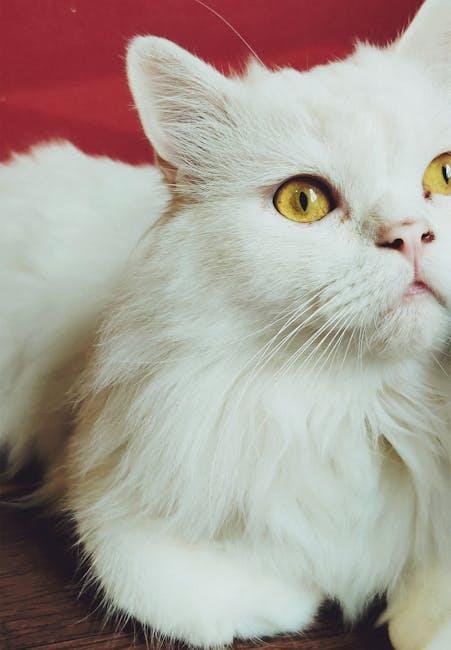
When it comes to keeping your long-haired feline friend looking fabulous, the right tools can make all the difference. Starting off, you’ll want to grab a high-quality slicker brush. This handy tool is perfect for removing tangles and mats without hurting your kitty. Look for one with fine, bent wires that can get right down to the undercoat. Also, a metal comb is essential for detangling stubborn knots and checking for any pesky parasites hiding in that fluffy fur.
next up, consider investing in a dematting tool if you’re dealing with notably stubborn furballs. These tools come with sharp teeth that can cut through tough mats, but be sure to use them carefully to avoid irritating your cat’s skin. Additionally, a pair of scissors designed for pet grooming can come in handy for trimming any loose or overly long hairs, especially around the paws and face. Safety-first scissors with rounded tips are a must for those tricky spots.
Don’t forget the power of good grooming wipes or sprays! These products can help keep your cat’s coat clean and smelling fresh between grooming sessions. look for wipes with natural ingredients, as they’re generally better tolerated by our furry pals. When it comes to bathing, a cat-amiable shampoo designed for long-haired breeds can make bath time easier and help reduce matting in the future. Remember—over-bathing can strip natural oils,so aim to do it only when necessary!
having an alpha grooming station can help make the process smoother. Set up a cozy area with all your tools handy,some treats for your cat,and maybe even a favorite blanket to help them feel secure. Use a table or flat surface where your cat feels comfortable and stable. This helps create a routine that your long-haired buddy will eagerly anticipate rather than dread. A little preparation goes a long way in making grooming a pleasant experience for both you and your fluffy companion.
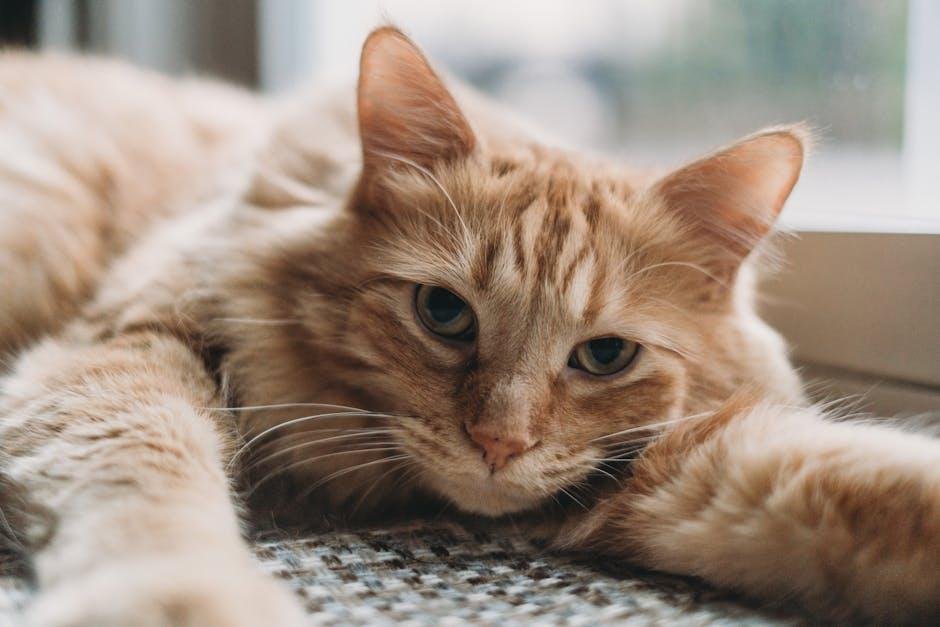
Bathing your long-haired cat might seem like a Herculean task, but with the right tricks up your sleeve, it can be a breeze! Start by ensuring you have all your supplies ready before you even think about turning on the water. Gather your kitty shampoo, a couple of towels, and a brush to tackle those pesky tangles. Having everything within reach will keep your cat feeling calm and allow you to be efficient.
When it’s time to hit the tub, don’t just toss your furry friend in there like a rag doll. Instead, consider giving them a bit of a warm-up. A short brushing session can help ease both of you into the idea of bath time.Spend some time stroking your cat to build their comfort level, then let them sniff the bathing area. This way, they’ll associate the space with positive vibes rather of sheer panic.
As you begin the bathing process, use lukewarm water and a gentle touch. Start by wetting their fur slowly, avoiding their face at first to prevent splashes—nobody likes water in their eyes! Apply a small amount of cat shampoo, and remember to lather it well throughout their coat, but don’t forget the belly! For rinsing, be mindful to use your hand to shield their face from water as you guide the rinse down their body.
Once the bath is wrapped up, it’s time for the drying process.Wrap your wet cat in a towel and gently rub them down—this way, you can catch a lot of the water without causing additional stress. If they’re particularly tolerant, you can work with a low heat setting on the blow dryer, keeping it at a distance. Just make sure to keep an eye on their body language; if they seem anxious, stick with the towel! A relaxed kitty will groom themselves just fine once they dry off.
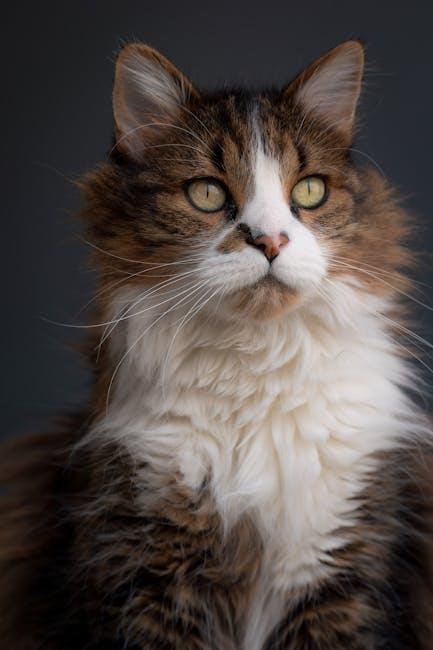
To make brushing a more enjoyable experience for both you and your long-haired feline friend, it’s essential to choose the right techniques and tools. Start with a sturdy wide-toothed comb, perfect for detangling, and follow up with a pin brush to remove loose fur. these instruments help prevent pull on your cat’s sensitive skin and make the process smoother. when selecting a time to brush, opt for moments when your cat is relaxed, perhaps after a good meal or a playful session, so they’re more likely to cooperate.
When you’re ready to start brushing, it’s crucial to be gentle. Begin at the tips of your cat’s fur and work your way up gradually. This method decreases discomfort and lessens the chance of creating more tangles. Always keep an eye on your kitty’s body language; if they seem irritated or anxious, take breaks or switch to a different area to maintain a stress-free atmosphere. Remember, some cats may not love being brushed, so patience is key!
Incorporating a few strategic techniques can make a world of difference. For instance, you might try the “line brushing” method, where you separate the coat into sections and brush each one thoroughly before moving on. This technique ensures that you cover all areas,particularly those pesky underbellies and behind the ears where mats often form. Additionally, don’t forget about the “brush and treat” approach where you reward your cat with a small treat after a triumphant grooming session—this positive reinforcement can help foster a better grooming experience over time.
always keep an eye out for the signs of mats or tangles, especially in hard-to-reach areas. If you encounter a stubborn knot,don’t tug at it! Rather,use a detangling spray specifically made for cats,or simply dampen the area with a bit of water. In tricky situations, you can use scissors carefully to snip away the tangle, but only as a last resort. For a visual guide, check out this handy table that highlights common grooming tools and their benefits:
| Tool | Benefit |
|---|---|
| Wide-Toothed Comb | Great for detangling without pulling. |
| Pin Brush | Removes loose fur and keeps coat shiny. |
| Grooming Glove | Massages while brushing, perfect for sensitive cats. |
| Spray detangler | Makes it easier to manage knots and mats. |
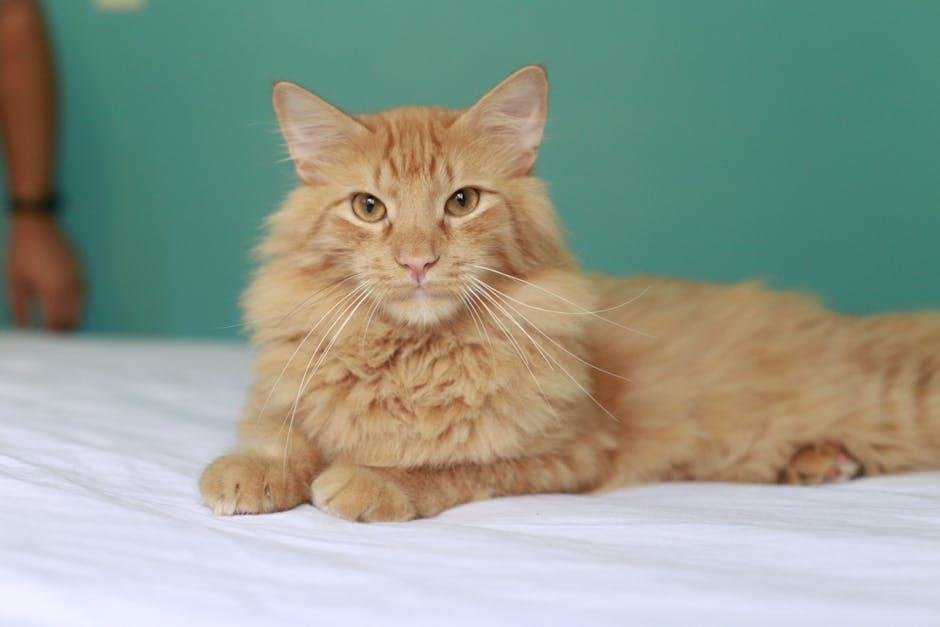
Grooming a long-haired cat is more than just a necessity; it’s a bonding experience! However, it’s crucial to keep an eye out for common grooming problems that can pop up. One major issue you might face is matting.This frequently enough occurs in those fluffy areas like behind the ears, under the armpits, and along the belly. Regular brushing can definitely help prevent these tangles, but if they do occur, you might need to slice through the mat with a sharp, safe grooming tool rather than pulling at their fur, which could hurt your furry friend.
Another thing to watch for is shedding, which can feel like a never-ending battle, especially during seasonal changes. Long-haired cats tend to lose more hair because of their dense coats. Keeping a consistent brushing schedule will help control this, but you can also supplement with a good diet rich in omega fatty acids. Consider investing in a deshedding tool—these can effectively catch loose fur and reduce the mess around your home. You might be surprised at how much fur you’ll collect each week!
Next up,ear and eye maintenance. Long-haired cats are prone to wax build-up in their ears and tear staining around the eyes. Frequently check their ears for any dirt or redness. If you find any gunk, you can gently clean them with a vet-approved cleaner and a cotton ball. Eye stains can be a bit harder to tackle as the cause frequently enough varies.Try using a damp cloth or special tear stain remover designed for cats on a regular basis to keep those peepers looking pristine.
Last but not least, don’t forget those nails! Long-haired cats can be notorious for hiding their claws under all that fluff. Regular nail trimmings are essential, as they can definitely help avoid scratches and reduce the risk of injury to both you and your pet. If your kitty isn’t a fan of nail trimming, try to associate it with positive experiences, like treats or gentle praise. Gradually getting your cat used to the process will make this grooming task smoother for both of you.
Establishing a grooming routine that feels comfortable for both you and your furry companion is key to a happy grooming experience. Start by selecting a cozy spot at home where your cat feels safe and at ease—this could be a soft blanket on the couch or a sunny spot by a window. Try to keep grooming sessions short and sweet,around 10-15 minutes,to avoid stressing your cat. If they seem anxious,take breaks to allow them to relax. Remember, patience is your best friend in this process!
Choosing the right tools can make all the difference.Invest in a few essential items that cater specifically to long-haired breeds. Here’s what you’ll need:
To make grooming a rewarding experience, consider adding some tasty treats or favorite toys as incentives. Keep your feline engaged by talking to them in a soothing voice, and let them take the lead on when they want to stop or take a break. If they start to squirm, give them some space and try again later. Associating grooming with positive reinforcement can help you avoid a battle during these sessions.
it’s essential to monitor your cat’s coat for any signs of skin issues or excessive matting. Regular grooming helps identify these problems before they escalate. If you notice any unusual bumps, irritation, or excessive dirt, it might be time for a vet check-up. Keeping your furry friend looking good isn’t just about aesthetics; it’s about their overall health and comfort too!
A: Grooming is super important for long-haired cats. Their luscious coats can easily become tangled and matted, leading to discomfort and skin issues. Regular grooming helps reduce shedding, keeps their skin healthy, and allows you to spot any unusual lumps or bumps. Plus,it’s a great way to bond with your furry friend.
A: ideally, you should groom your long-haired cat at least two to three times a week. If your kitty tends to mat more easily or has an especially thick coat, daily brushing might be necessary. The more you groom, the less hair you’ll find around your home and the happier your cat will be!
A: You’ll want a few grooming tools in your kit. A slicker brush is great for removing tangles and loose fur, while a wide-tooth comb helps with any stubborn mats. For those pesky matts, a dematting tool can work wonders. Don’t forget nail clippers or a grinder to keep those claws in check, and some cat-friendly wipes for a rapid clean-up afterward.
A: Start by finding a quiet and comfortable spot where your cat feels relaxed. Brush your cat gently, starting from the head and working your way down to the tail. Make sure to keep an eye out for knots—if you encounter one, use your fingers to gently separate the hairs or your comb to work it out. If a mat is really stubborn, carefully use the dematting tool. Always reward your cat with treats or cuddles for good behavior to make grooming a positive experience.
A: When tackling mats, patience is key. first, use your fingers to loosen the mat as much as possible. if it’s really stuck,you might want to spray a little cat-safe detangling spray to help. Slowly work from the edge of the mat toward the skin,using a comb to carefully lift it out. For particularly tough mats, don’t hesitate to consult your vet or a groomer if you’re unsure how to safely remove them.
A: It’s not uncommon for cats to resist grooming. Try to make it a less stressful experience. Use calming techniques, like having a quiet space, soft voices, and plenty of breaks. Start with short sessions,allowing your cat to get used to the brush. If your cat is particularly finicky, you can try grooming when they’re sleepy or after playtime. And remember, patience always pays off.
A: Most cats don’t need regular baths as they groom themselves pretty well.However, if your kitty gets into something sticky or smelly, a bath might be necessary. Use a cat-specific shampoo and make sure to rinse thoroughly. Keep in mind that bathing can be stressful for many cats, so only do it when absolutely needed.
A: Turn grooming into a special bonding time! Use treats, soft tones, and gentle strokes to keep your cat calm. Playing with them before grooming can help ease any tension. The goal is to create associations of positivity with grooming, so over time, they’ll be more likely to tolerate it and even enjoy it.
With these tips in mind, you’ll have your long-haired cat looking fabulous and feeling great in no time. Happy grooming!
In wrapping this up, grooming your long-haired cat at home doesn’t have to feel like a wrestling match. with a little patience, the right tools, and some know-how, you can keep your feline friend looking sharp and feeling good without the drama. Remember, regular brushing helps prevent those nasty mats and reduces shedding, making life easier for both you and your furry buddy.
Don’t forget to check your cat’s ears, trim those pesky nails, and even give them a bath every now and then if needed.It all adds up to a happy and healthy kitty.If you hit any snags or your cat isn’t too keen on the grooming routine, don’t hesitate to reach out to your vet or a pet grooming professional for advice tailored to your situation.
So grab that slicker brush and set aside some time each week—your long-haired sweetie will thank you for it,and you’ll enjoy having a less hairy home. Happy grooming!

Mateo Cardenas
Part-time editor at Pawsyverse, occasional actor, entrepreneur, and nature junkie. When I’m not writing, you’ll catch me chasing the ball on the soccer field or geeking out over cheetahs and penguins (yep, I know, penguins... but I hate cold weather!). I’m all about good vibes, growing as a person, and staying close to God. Honestly, animals amaze me — after humans, they’re the coolest creatures on Earth.