


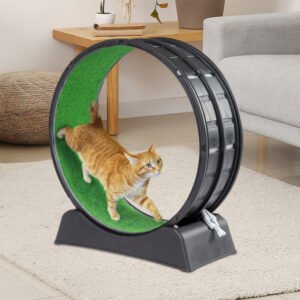
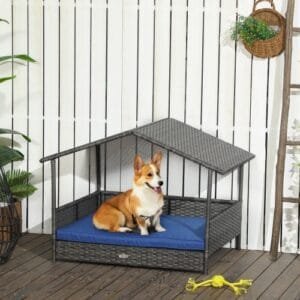

Dog training equipment stands as a silent witness to the daily lessons learned by both human and dog. Oddly enough, it does not boast or yell its virtues. It lives in the plain light of use. You pick up a tool and see its weight, its build, and feel the texture. There is honesty in that, and each piece tells a story. Dog Puppy Supplies provide simple yet reliable products that get the job done.
The gear remains unfussy. It exists to support clear communication. A collar must hold fast without squeezing. A harness should give ease while guiding behavior. There is no need for lavish language. The equipment is judged on its reliability. It stands up to a dog’s tug or an errant dash without a fuss.
The conversation about tools then shifts from aesthetics to function. In a weathered store window or a cluttered bag, every item carries its marks—a scratch here, a dent there. Equipment comes as nourishment for a better daily routine. Users see that the simple things matter—a firm grip on a leash, an unyielding collar, a platform set for agility.
Simple tables and lists detail how various models perform.
• Durability counts above fancy features.
• Ease of use comes first before any extra light.
• Comfort never wavers if the gear meets the challenge.
There is an unpretentious charm in a product that does not aim to impress but just works. A gear piece is there to support training, much like a quiet friend observing the daily grind—steady, unadorned, and persistently useful. Equipment that meets these standards earns its place in a well-run routine and reinforces the idea that, once again, plain work is more than enough.
Every dog carries its habits—the silent language of body and bark. The task is to decode that language without turning the process into a grand spectacle. It starts with watching daily patterns and noting the moments when focus leads or distraction wins. Choose equipment that speaks directly to those needs. The goal is clear obedience and measured behavior.
Watch how your dog reacts to a firm grip on the lead. Behavior is revealed in the tilt of the head, in the quickened pace, in the hesitation before a leap. There is truth in that movement, and you must be sure the equipment can guide without forcing. In a calm backyard or a crowded park, reliability matters. A chosen product from Dog Agility Training Equipment supplies the room needed for movement and reply.
Breaking the routine into lists can help clear the theory from the practice:
• Observe and record the dog’s natural pacing.
• Note the moments of uncertainty during training.
• Establish a set of goals that the gear supports.
The exercise is part observation, part trial. You hold a collar, feel the fabric of a harness, and decide if it suits the recognized behavior. The process is honest—a bit of charm mingled with the drudgery of a workday. The equipment does not pretend to be magic. It only stands as the means through which training meets reality.
Words like “effective” ring true only with clear results. Your observations lead you to a decision, and in every crafted piece, you find a subtle mark of function. The excitement remains low-key—pragmatic and unadorned—a persistent nod to the fact that simplicity often wins in the end.
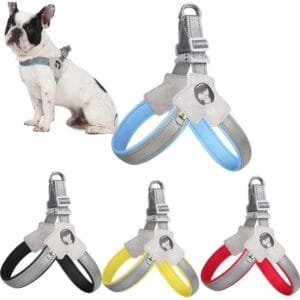
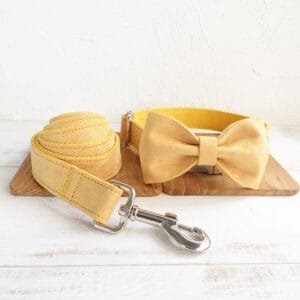
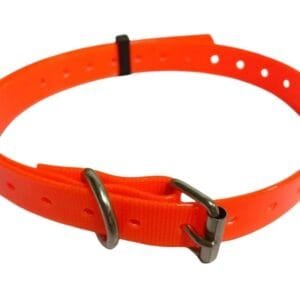
Collars and harnesses stand at the frontline of training. They hold the statement of authority without any pomp. Every strap and buckle must serve its role silently and firmly. You pick a collar that settles comfortably, and a harness that provides real control in a world of distractions. Products like Premium Dog Training Collars come without claim or exaggeration.
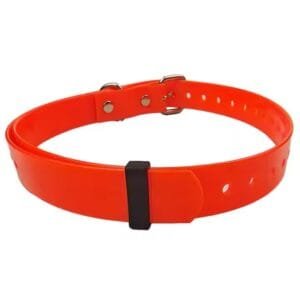
When your dog inches closer to mischief, a well-fit collar makes the difference. It tugs back gently on a stubborn pull without causing harm. The harness plays its part in curbing excess energy. Together, they create a synchronization—a nod to order in an unruly moment. The view remains unembellished. You handle the gear, check the seams, and test the closure. There is an inherent dialogue in that routine that brings the human and dog into a shared purpose.
A short list explains what to check:
• Adjustability: The fit must be just right.
• Strength: Material that withstands tugging.
• Comfort: Soft yet dependable fabric against fur.
Simple tables may outline the differences in design.
| Feature | Collar | Harness |
|---|---|---|
| Fit | Adjustable | Full-body support |
| Material | Durable fabric | Breathable cushioning |
| Safety | Secure buckle | Multiple adjustment points |
A product like Reflective Dog Chest & Back Harness with Commuter Rope stands out in practical testing.

Every day, these tools take part in the straight work of guidance. They do not sparkle with fanfare. They simply do what must be done—firmly holding the line between chaos and order in a language both dog and owner understand.
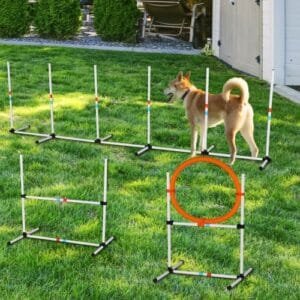
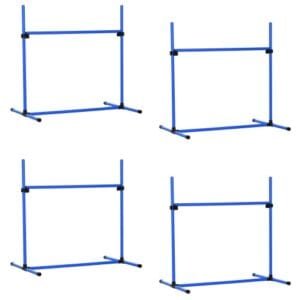
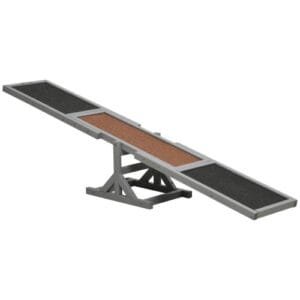
Agility training tools break the monotony of a simple walk in the park. They inject a moment of challenge and brief chaos that sharpens obedience. This equipment makes use of a series of physical tasks—a setup that tests focus in every stride. A 3PC set pushes the dog to run a course that is lively without pretension.
The training area becomes a rough sketch of goals. Each tunnel and jump stands not as a gimmick but as a test of resolve. In these moments, the training is stripped to its raw essence. The course forces the dog to think, move, and decide. A well-built kit that you find among Dog Agility Training Equipment serves as the stage for these lessons.
Simple paragraphs here build on the scene:
• The obstacle course leaves little room for error.
• Every jump requires concentration.
• Movement has a rhythm that encourages focus.
The gear itself has a functional presence that feels almost mechanical in its steadfastness. You see the wear of repeated use. It does not flirt with extravagance. Instead, it holds up under the pressure of active training. Every piece of equipment stands as a small witness to progress.
The layout of an agility setup is simple—a sequence that mirrors the effort required to learn. The boundaries are well defined. There is an implicit understanding: one misstep and the training must restart. This equipment does not judge. It merely supports the effort with a steady, unyielding presence. The crisp lines and clear instructions in the course allow your dog to join in without a fuss; every piece stands resilient in the face of daily use.
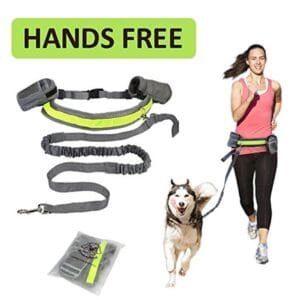
Control does not come from force. It comes from the gentle authority of a well-made leash and the subtle restraint of a harness. A keen observer notices details in the fabric and hardware. An adjustable hands-free leash pulls the dog back when enthusiasm runs wild, and a quality traction rope guides without friction.
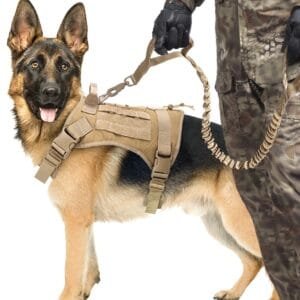
You hold the gear with a sense of duty. The rope feels sturdy in your palm and promises a balance of firmness and ease. No extra flair adorns it. Its practical design allows for smooth control in unexpected turns during walks. The absence of gimmicks leaves the focus on what matters—steady guidance every step of the way.
A short list captures the critical points:
• Adjustability: The rope adapts to your dog’s pace.
• Grip: A secure handle makes every movement count.
• Material: It stands well against repeated use under changing weather conditions.
The world of dog training keeps a quiet ledger of these details. An Adjustable Hands-Free Dog Leash underscores the commitment to basic control without fuss.
Another piece in the puzzle is the harness. It offers stability without the excess weight. Quality harnesses promise proper fit and freedom of movement. They share the unspoken rule—control without overbearing force. The simplicity guides both the owner and the dog through routines that build trust.
In this space, control means anchoring behavior without asserting dominance harshly. The equipment you choose silently supports the idea that training works best when both sides understand their roles. The balance of comfort and discipline remains the goal—no shades, no tangled words, just plain and steady use.
A focused training session benefits from more than just collars and leashes. The immediate environment participates, too. An enclosed space that sets the stage for repetition becomes part of the lesson. Crates and pens provide that controlled backdrop where distractions fade into the background. It is a matter of creating a setting that welcomes structure without flash.
For many, a crate offers a personal space that reinforces routines. It is neither a palace nor a cage, but a reality check. The simple design of Dog Crates & Kennels and Houses makes it a dependable partner in training. Without reason to overcomplicate, you set up a pen or playpen that contains the area.
A brief list describes the setup essentials:
• Crates confine without intimidating.
• Pens hold the space for focused training.
• A stable area directs the dog’s attention solely to practice.
A well-planned area reduces the friction of unwanted escapes. The environment rounds out the training experience. It complements the gear worn outside on walks. Every object serves a function—no unnecessary hints of extravagance, only what works.
In addition to static enclosures, items like specialized playpens appear on the scene. These products, similar in thoughtful design to Dog Pens & Playpens, help you mold an atmosphere where your pet can learn with minimal distraction. Each element fits into a broader picture—a common ground that is pragmatic and encouraging. The space, like the equipment, carries a quiet promise: work happens here, and each tool serves its task without theatrics. The stark practicality offers more clarity than any elaborate stage might.
Innovation in dog training equipment remains subtle and practical. Without overblown claims, newer tools provide a small edge—whether through automatic feeders or discreet fencing systems that ensure safety. The focus remains on clear, measured improvement in behavior rather than any spectacle of technology.
Automatic feeders sometimes set the rhythm in mealtime training. They serve the purpose of moderating behavior around food while reducing the manual fuss. Equipment like these stands as a quiet schedule keeper. Similarly, Wireless Electrical Dog Fences provide boundaries that add structure without constant supervision. Such products speak plainly—they work with a simple blink of modern sense.
A bullet list sharpens the key points:
• Automation cuts down on everyday hassle.
• Wireless systems maintain boundaries calmly.
• Each system adapts to a structured pace without fanfare.
The role of innovation is measured against the baseline of consistent behavior change. You see technology as another tool in the training arsenal rather than as a miraculous fix. As you inspect each feature, the set-up stands to improve procedures—quietly integrating into an already firm routine. A product does not wear its modernity on its sleeve; it exists to affirm that sometimes, modern work can be just as straightforward as its classic cousins.
The simplicity in innovation means fewer complications. You look at a piece of gear, test its functionality, and find that it blends with what you already trust. The innovation here is not loud. It works in the background, aligning with routines that have long stood the test of time. In this unpretentious exchange, technology earns respect by keeping the focus strictly on behavior and control. Every new element enters the training session as a small, effective tool, echoing the relentless drive for clear, no-nonsense obedience.
Once the right tools find their place in the daily routine, the work shifts to care and upkeep. Maintenance is not glamorous. It is simply a part of the persistent rhythm of the day. Cleaning a collar, checking a harness for wear, and reordering a scattered training area all compose a quiet moral duty. The process ensures that each item remains as trustworthy on day 100 as it was on day 1.
You find that regular attention extends the life of product. It may be as simple as using a damp cloth on a stubborn spot or checking every seam regularly. A routine does not burst with romance—yet, it holds value in discipline. It ensures that each piece of Dog Toys & Accessories, Puzzles & Chew Toys and every critical component of the training kit remains functional.
A small table helps clarify major maintenance tasks:
| Task | Frequency | Notes |
|---|---|---|
| Cleaning Fabrics | Weekly | Use mild detergent |
| Inspecting Seams | Biweekly | Check for loose stitching |
| Hardware Check | Monthly | Tighten any loose buckles |
| Overall Assessment | Quarterly | Replace items if worn or frayed |
Simple bullet points serve to remind:
• Regular cleaning sustains appearance and function.
• Verifying adjustability ensures the setup stays safe.
• A close look reveals if the time has come to renew a tool.
Long-term care reinforces that equipment is a silent partner in training. It does not boast of newness each day; it proves its worth through ongoing reliability. The maintenance routine cuts away any decay that might compromise training efforts. A dependable system supports dog and owner alike in their ongoing journey—a journey that values persistence over pretension and honest upkeep above flashy reinvention.
Q: How do I decide which training equipment best suits my dog’s behavior?
A: Begin by observing your dog closely. Identify areas where focus lags and where reinforcement is needed. Then, choose gear known for durability and ease of use.
Q: What are the main features to look for in a dog collar or harness?
A: Look for adjustable fit, reliable buckles, and materials that can sustain wear. Comfort and control figure high in the list of essentials.
Q: Can agility training equipment really improve obedience?
A: Yes. Agility tools create a clear pathway that encourages focus and regulated behavior during training sessions.
Q: How important is regular maintenance of dog training equipment?
A: Maintenance is critical. Regular cleaning, inspection, and timely replacement keep your training tools in consistent condition.
Q: How do I create an effective training environment at home?
A: Use crates, pens, and controlled spaces to limit distractions. A consistent, safe space helps reinforce discipline and the lessons taught during training.
Q: Is it worthwhile to invest in automated or wireless training aids?
A: Automated systems and wireless boundaries offer a modern edge. They work quietly in the background to foster structure without constant manual intervention.

Mateo Cardenas
Part-time editor at Pawsyverse, occasional actor, entrepreneur, and nature junkie. When I’m not writing, you’ll catch me chasing the ball on the soccer field or geeking out over cheetahs and penguins (yep, I know, penguins... but I hate cold weather!). I’m all about good vibes, growing as a person, and staying close to God. Honestly, animals amaze me — after humans, they’re the coolest creatures on Earth.