


Becoming a puppy parent is one of the most exciting experiences you can have, filled with endless cuddles, playful antics, and the occasional mess. But as your pup starts to grow up, you might hit a milestone that catches you off guard—her frist period. Just like us, female dogs go through a heat cycle, and being prepared for it can help you navigate this new chapter with confidence. In this article, we’ll break down what to expect when your puppy gets her first period, covering everything from the signs to watch for to how to care for her during this time. So, let’s dive in and get you ready for this critically importent moment in your pup’s life!
When your pup starts going through her first heat cycle, it can be a bit confusing if you’re not sure what to look for. Puppies usually enter their first heat between six months to a year old,but it can vary. Keep an eye out for these typical signs:
These signs can last anywhere from 2 to 3 weeks, so keep an eye on her behavior throughout this period. some pups dislike the whole process and might act a bit withdrawn or moody, while others could be more playful. It’s key to give her space and attention as needed, depending on how she’s handling it.
During her heat cycle, male dogs might start to show up around your home, drawn by her scent. so, if you’re not looking to breed her, consider keeping her on a leash and supervise outdoor playtime closely. You don’t want her running off or getting too much attention from any curious males in the neighborhood!
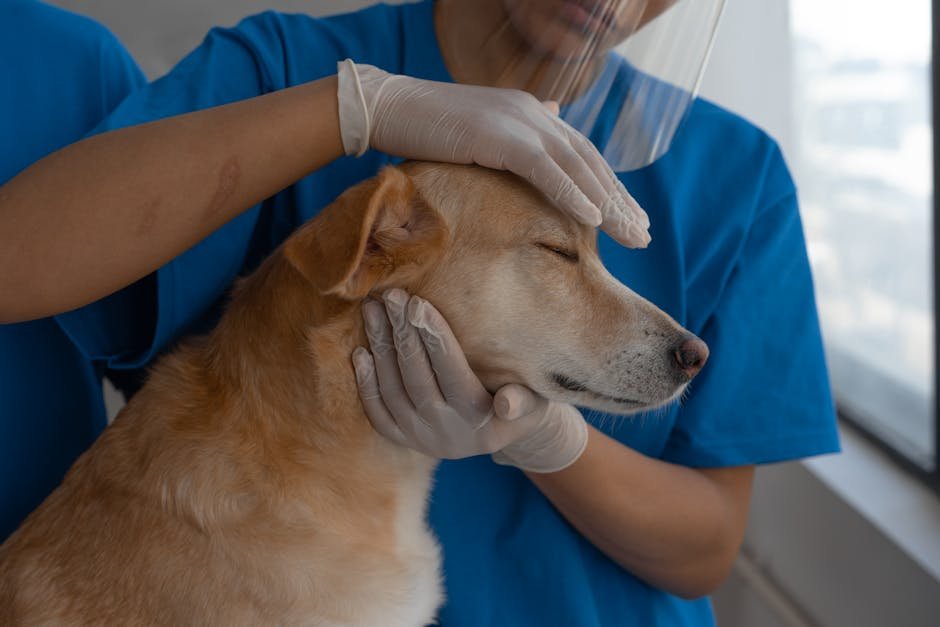
If you’re ever unsure about your puppy’s signs or behavior,don’t hesitate to reach out to your vet. They can definitely help walk you through the process, especially if it’s her first cycle. Keeping her comfortable and stress-free is critically important, so don’t overlook little changes you notice during this time!

When your puppy goes into heat for the first time, you might be surprised by the changes you see. It’s like a switch flips, and suddenly, she’s not just a playful little furball. Her behavior will shift, and you’ll notice some physical signs, too. The most common changes include swelling of the vulva and a bloody discharge, which can last around 2 to 3 weeks. It’s totally normal, but it can be a bit messy, so be prepared to clean up!
During this time, your puppy may also become more affectionate or, on the flip side, a little more moody than usual. One second, she may want to cuddle, and the next, she might just want her space. Here are some typical behavior changes to keep an eye on:
It’s an excellent idea to keep her indoors and away from potential mates during this time to avoid unplanned pregnancies.If you don’t plan to breed her, consider speaking with your vet about spaying. Not only does this help prevent litters, but it can eliminate many of the inconveniences of her cycle. If spaying isn’t in the cards right now,investing in some doggy diapers can make life easier for both of you.
Lastly, make sure she still gets regular exercise but keep an eye on her energy levels. Too much excitement or stress can overwhelm her. Short, controlled walks can definitely help her expend energy while keeping her safe.Just remember that every dog is unique; adjust your care routine based on how she’s feeling during this transition.With a little understanding and preparation, this phase can be a smooth ride for both of you!

Getting your home ready for your puppy’s first period is key to ensuring she’s comfortable and safe. First off, it’s a good idea to set up a designated area for her to hang out. this can be a cozy corner in your home where she feels secure. You might want to add a soft blanket or her favorite bed, and maybe some toys to keep her entertained during this time.
Next, be prepared for some mess. It’s common for puppies to have a bit of discharge,so protecting your floors and furniture is essential. You can use puppy pads to catch any surprises. Place these pads in her designated area and maybe close to her favorite spots around the house. This will not only make cleanup easier but also help her feel a little more at ease.
It’s also critically important to keep her away from male dogs during this time. If you have other pets, consider separating them to avoid any unplanned “romantic” encounters. You can use baby gates to create barriers or keep your puppy in a room while the male dogs hang out in another area. this way, you’re ensuring she doesn’t have any stress while she navigates this new phase of her life.
Lastly, be attentive and watch for any changes in her behavior. She may seem a bit more needy or just want some extra cuddles. Be ready to give her what she needs,whether that’s more bathroom breaks or just some quiet time with you. Puppy’s first period can be a bit confusing, so your support is essential.

When your pup goes through her first cycle, it’s crucial to keep an eye on her health. Just like humans, female dogs can experience various symptoms during their heat. You might notice things like increased urination, a bit of swelling around her vulva, or even some mood swings. These changes can be pretty normal, but it’s wise to keep an eye on her behavior and overall wellbeing. If she seems extremely agitated or in pain,it’s probably an excellent idea to give your vet a call.
Make sure she’s still eating and drinking regularly,and keep track of her energy levels. It might help to stick to her routine as much as possible to keep her stress levels down. If she’s acting unusually lethargic or develop any discharge that doesn’t seem right, don’t hesitate to get in touch with your veterinarian. Better safe than sorry!
After her heat cycle, think about talking with your vet about the pros and cons of spaying.There are plenty of benefits to spaying, like reducing the risk of certain health issues and preventing unwanted litters. Plus, it can help keep those pesky heat cycles at bay in the future. Your vet will guide you through what to expect when it comes to the procedure and recovery.
| Time Frame | Considerations |
|---|---|
| First Few Days | watch for swelling and discharge. |
| Middle of Cycle | Increased flirtatious behavior. |
| End of Cycle | Possible changes in appetite. |

When your puppy starts her first heat cycle, it’s a good time to think about behavior management and keeping accidents at bay. First off, make sure she’s comfortable in her space. Setting up a separate area with her favorite blankets and toys can help her feel secure and less anxious about this new experience. It’s just like creating a little retreat where she can chill out when she needs to.
Next, establish some house rules. This means being consistent about where she can go and what she can do. If you’re worried about her marking her territory or getting too curious about certain areas, consider using baby gates to limit her access. This way, you can keep an eye on her and avoid unwanted surprises, like finding out she discovered the trash can or snuck into your bedroom for some exploration.
Also, don’t forget about those training sessions. Positive reinforcement works wonders! When she behaves well, reward her with treats or praise. keeping her engaged and focused on you can distract her from any of the heat-related behaviors that might pop up. A few extra training sessions a week can also help burn off some of that pent-up energy, making for a calmer pup overall.
Lastly, remember to stay vigilant. Accidents happen, especially during this time, so having some cleaning supplies on hand can save you a lot of headaches. Consider using puppy pads in her designated area just in case she has an accident. And don’t forget to keep an eye on her during walks, as she may get more interested in other dogs. Regularly checking in with your vet can also help keep her health and behavior in check during her heat cycle.
Q: How will I know when my puppy is in heat for the first time?
A: Usually, you’ll notice some changes in your pup’s behavior and body. Her vulva might swell a bit, and you could see some light bleeding or spotting. She might also act a little more clingy or even standoffish. Each puppy is different, so keep an eye out for any signs that seem unusual for her.
Q: How long does a puppy’s first heat last?
A: The first heat typically lasts around 2 to 3 weeks. During this time, you might notice the bleeding might come and go.It’s not a set length, though—some puppies will have a shorter or longer cycle. Just be patient and let her body do it’s thing!
Q: Is there anything special I need to do during this time?
A: Great question! You should definitely keep an eye on her and make sure she’s comfortable. Having some old towels handy can help if she has any accidents in the house. If she usually goes outside to do her business, it might be a good idea to keep her on a leash and not let her wander too far, because she might attract some unwanted attention from male dogs.
Q: Can I still take her for walks or play with her?
A: Absolutely! You can still take her out, but just be mindful of her energy levels and mood. Some pups want to play as usual, while others might seem less interested. Just pay attention to her cues. And again, keep her on a leash to avoid any surprises!
Q: Will my puppy’s behavior change during her period?
A: Yup, her behavior can change! She might be a bit more anxious or moody than usual. Some dogs might experience a little bit of extra energy and want to play while others might want to cuddle up and relax. It’s just part of the process!
Q: Should I worry about her health during her first heat?
A: Not really! It’s a normal part of growing up for female dogs. However, if you notice excessive bleeding, signs of distress, or anything that seems really off, it’s best to give your vet a call. They can help you determine if anything needs attention.
Q: How ofen will my puppy go into heat after this?
A: Usually, female dogs go into heat twice a year, so about every 6 months. However, this can vary based on her breed and size. Smaller breeds might cycle more frequently, while larger breeds may take a little longer.
Q: Is spaying an option I should consider?
A: That’s definitely something to think about! Spaying can definitely help prevent unwanted litters and also reduce the risk of certain health issues down the road. It’s best to chat with your vet about the right timing and benefits for your pup.
Q: any last tips for dealing with my puppy’s first heat?
A: Just be patient and understanding. It’s new for both you and her! Keep her comfortable, stick to her routine as much as possible, and give her plenty of love. This phase is just a small step in her growing up. Before you know it,she’ll be back to her usual self!
So there you have it—your puppy’s first period doesn’t have to be a big,scary deal. With a little prep and some TLC, you can navigate this new chapter together. Remember to keep an eye on her mood and behavior; she might be a bit more cuddly or a little extra moody, and that’s totally normal.Stock up on some puppy pads, and don’t forget that she might need a bit of extra love during this time. If you’re ever unsure about anything, your vet is just a call away.After all, you’re in this puppy-raising gig together, and you’re doing a great job! Now go give her some belly rubs—you both deserve it!

Mateo Cardenas
Part-time editor at Pawsyverse, occasional actor, entrepreneur, and nature junkie. When I’m not writing, you’ll catch me chasing the ball on the soccer field or geeking out over cheetahs and penguins (yep, I know, penguins... but I hate cold weather!). I’m all about good vibes, growing as a person, and staying close to God. Honestly, animals amaze me — after humans, they’re the coolest creatures on Earth.