




Bringing a new puppy into yoru life is one of the most exciting adventures you can embark on as a pet owner. Those playful little balls of fur are full of energy, curiosity, and a whole lot of love. But just like us humans, puppies need friends too! Helping your pup make pals with other dogs can be a game changer for their social skills and overall happiness. So,if you’re wondering how to turn your shy little buddy into the social butterfly of the dog park,you’re in the right place! In this article,we’ll dive into some straightforward tips and tricks to help your puppy build friendships,feel more confident,and maybe even enjoy some epic playdates along the way. Let’s get started!
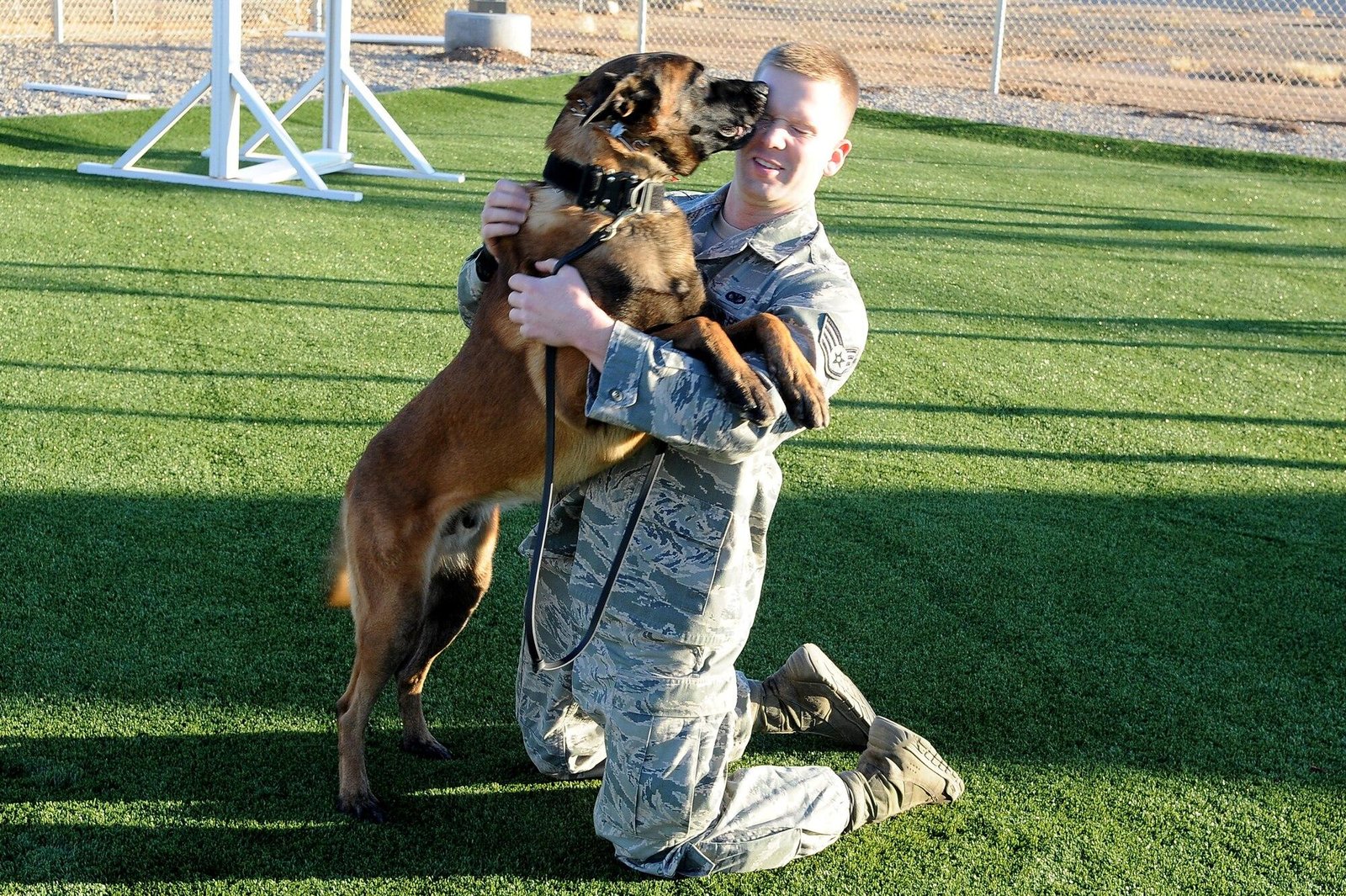
When it comes to dogs, understanding their communication cues can really help in forming good friendships between your puppy and other dogs. Body language plays a huge role in how dogs interact. Such as, if a dog is wagging its tail but has stiff legs, it might very well be a sign of anxiety. On the flip side, a relaxed dog with a loose body and a wagging tail is likely excited and friendly. Being aware of these signals helps you step in when necessary or give your pup the space they need to warm up.
Another thing to keep in mind is vocalizations. Dogs communicate a lot through barking,growling,and whining. A high-pitched bark might indicate excitement, while a low growl can be a sign of discomfort or warning. Its important to pay attention to the tone and context. If you hear your puppy making friends with another dog, a few excited barks are perfectly normal. Tho, if the barking becomes more aggressive, it’s an excellent idea to intervene and redirect the situation.
Facial expressions are another form of communication that often goes unnoticed. Dogs have a range of expressions that can show fear, happiness, or even aggression. Things like lip licking or yawning can indicate stress, while a relaxed mouth and bright eyes often suggest that a dog is feeling friendly. Your puppy will mimic these expressions as they learn to socialize, so it’s helpful to recognize these signs. Plus, their ability to read other dogs’ faces will grow as they spend more time around them.
| Dog Behavior | Meaning |
|---|---|
| Tail Wagging | Happiness or Excitement |
| Stiff Body | Anxiety or Alertness |
| Lip Licking | Stress or Uncertainty |
| Low Growl | Warning or Discomfort |
By learning to interpret these signals, you not only help your puppy make friends, but you also create a safer play environment. As you notice how your dog interacts with others, you’ll gain a deeper understanding of their comfort levels and preferences. Encouraging positive interactions while keeping an eye on their communication skills will help your puppy feel more confident and make friendships that last a lifetime.
Finding the right spot for your puppy to socialize can really make a difference in how comfortable they feel around other dogs. Not every place is a perfect fit, so you’ll wont to consider a few factors. Look for areas where the environment is calm and welcoming. Dog parks can be a blast, but they can also be overwhelming, especially for a little pup.Think about starting in a quieter backyard or a friend’s place where they can meet one or two dogs at a time.
Local training classes are another great option. They offer a controlled setting with experienced trainers around to help if things get a bit too rowdy.Plus, your puppy will learn some basic commands and social rules while making new friends. Just make sure the class is for their age and energy level, so they don’t feel out of their comfort zone.
If you’re looking for more interactive experiences,consider puppy playdates.Coordinate with other dog owners to set up a small gathering. It’s low-pressure and you can choose dogs that you know have a similar temperament. Start with short sessions to see how your puppy reacts, then gradually increase the time as they get used to their new buddies. Remember, it’s all about having fun!
Lastly, keep an eye on the size and energy of the dogs your puppy interacts with. Big dogs can sometimes be a bit too much for smaller pups, and overly hyper dogs might scare them off. Look for playmates that are around the same size and have a play style that matches your puppy’s energy. here’s a fast reference:
| Dog Size | Suitable Playmates |
|---|---|
| Small (under 20 lbs) | Other small dogs |
| Medium (20-50 lbs) | Medium and small dogs |
| Large (50+ lbs) | Medium and large dogs |
Getting your puppy to warm up to other dogs can be a fun journey, and engaging activities play a huge role in that! Think about setting up playdates with other friendly pups. It’s a great way for them to get to know each other in a relaxed setting. you can hang out in a backyard or a local park. Just remember to keep an eye on their body language so everyone feels comfortable. If things get too rowdy, don’t hesitate to call a time-out!
Another cool idea is to explore some interactive games together! Dogs love to chase, so try a game of fetch or frisbee. The excitement of running after a ball or disk can definitely break the ice. Plus, you can use treats as a reward to encourage good play behavior. Check out this quick list of fun games to play:
Don’t forget about puppy training classes! Those can be a blast and are an amazing chance for your dog to meet others. Plus, they’ll pick up some skills while making friends. Most of these classes focus on socialization,which is key for building confidence around new canine pals. Check what’s offered in your area—some might even have a structured playtime at the end!
Lastly, consider organizing group outings. Whether it’s a dog-friendly hiking trail,a beach day,or a visit to a pet-friendly café,getting a bunch of pups together can really lighten the mood.Remember to bring some water and snacks, so everyone stays energized. Having these experiences helps your puppy learn how to interact and communicate well with other dogs in a variety of settings.
when your puppy is hanging out with other dogs, it’s super critically important to pay attention to their body language. Not every wagging tail means they’re ready to play. Look for signs that show whether they’re feeling comfortable or stressed. For instance, a relaxed dog will have a loose body stance, while a tense dog might freeze up or tuck their tail. If you spot these cues,you can definitely help steer them in the right direction.
Here are a few key social cues to keep an eye on:
Now that you know what to look for, you can definitely help your puppy interact in a way that’s comfortable for them. If you notice another dog that’s giving off negative signals, like growling or a stiff posture, it’s best to keep your puppy away from them for a bit. Setting up friendly interactions can really boost their confidence. Try bringing them around calmer dogs who are less likely to overwhelm them.
Additionally, consider creating a little friendly play date so your pup can meet other dogs in a safe setting. You might find it helpful to set up a basic structure for these meet-ups:
| Play Date Tips | What to Do |
|---|---|
| Choose the right location | Pick a quiet park or a fenced area |
| Introduce gradually | Let them sniff each other at a distance first |
| Monitor playtime | Supervise closely to ensure it stays playful |
By understanding these cues and creating friendly experiences, you’ll be setting your puppy up for some paw-some friendships. Just remember, patience is key! Let them take their time adjusting to new pals, and soon enough, they’ll be making friends like a pro.
When it comes to helping your puppy make friends,structured playdates can be a game changer. They provide a safe environment for your pup to meet others, learn social cues, and build confidence. Instead of just a random puppy encounter,plan playdates with other dogs that have similar energy levels. This ensures that your puppy isn’t overwhelmed, and both pups can enjoy their time together without feeling anxious.
To get things rolling smoothly, try these tips for organizing successful playdates:
During playdates, it’s critically important to encourage positive behaviors. Use treats and praise for good interactions, like sharing toys or playing nicely. This helps reinforce the idea that being friendly and social is a great thing for your pup. You can also redirect any bad behavior using toys or distractions to keep the play session light and fun.
After a few successful meetups, you’ll notice your puppy becoming more confident and comfortable around other dogs. To keep track of how they’re doing,consider creating a simple chart:
| Puppy Name | Playdate Date | Duration | Behavior Notes |
|---|---|---|---|
| Buddy | 10/01 | 30 mins | Played well,shared toys |
| Max | 10/08 | 25 mins | Shied away at first,warmed up |
Keep the momentum going by scheduling regular playdates to help your puppy thrive in social settings.With time and consistency, your furry friend will learn great social skills, and you’ll both make lasting memories along the way!
Q&A: helping Your Puppy Make Friends with Other Dogs
Q: Why is it critically important for my puppy to make friends with other dogs?
A: Great question! Socializing your puppy with other dogs is super important for their development. It helps them learn proper behavior, boosts their confidence, and can even prevent future behavior issues. Plus, it’s just plain fun to watch them play!
Q: When should I start socializing my puppy?
A: The earlier, the better! you can start socializing your pup as soon as you get them, ideally between 3 to 14 weeks old. This is when they’re most open to new experiences. Just make sure their vaccinations are up to date first.
Q: How can I introduce my puppy to other dogs safely?
A: Start by picking neutral territory for the first meet-up, like a park. Keep your leashes loose to help everyone feel relaxed. Try to set up a playdate with a calm, friendly dog who won’t overwhelm your pup. Always supervise the interactions until you’re sure they’re good buddies!
Q: What if my puppy seems scared or aggressive around other dogs?
A: Don’t stress! Some pups are just a bit shy or unsure. Give them time, and don’t force any interactions. You can try using treats to help them associate other dogs with good things. If they continue to be anxious or aggressive, consider talking to a trainer for some guidance.
Q: Are there any specific places to take my puppy to meet other dogs?
A: Absolutely! Dog parks can be a great option, but they can be overwhelming for small pups. Look for puppy classes or socialization groups at pet stores or local shelters. They’re often more structured and can help your pup ease into meeting new friends.
Q: What should I look for in a playmate for my puppy?
A: Choose a dog that’s roughly the same size and energy level as your pup. A gentle dog who’s playful but not too rough can definitely help teach your puppy how to play and share. Avoid dogs that are overly aggressive or hyper, as that can scare your pup.
Q: How can I tell if my puppy is having fun?
A: Look for signs like wagging tails, play bows (where they lower their front legs while keeping their back up), and lots of playful barking. If your pup seems relaxed and playful, they’re having a blast. Just keep an eye on their energy to make sure they don’t get overwhelmed.
Q: What if my puppy doesn’t seem to like other dogs?
A: Every pup has their own personality. If your puppy is more of a lone wolf,that’s totally okay! Just focus on building their confidence gradually. You could also help them make friends with a few other calm dogs first, rather than jumping into big groups all at once.
Q: Any last tips for helping my puppy make friends?
A: Just be patient and have fun with it! Keep outings short and positive, and reward your puppy for good behavior.remember, every dog is different, so go at your pup’s pace.Before you know it,they’ll be making canine buddies left and right!
As you embark on this exciting journey of helping your puppy make furry friends,remember that patience is key.The more you expose your pup to different dogs and environments, the more comfortable they’ll become. Just like us, every dog has its own personality, so stay positive and let your puppy go at their own pace. Socialization is an ongoing process, so keep those playdates going and don’t forget the treats for encouragement! before you know it, you’ll have a happy, confident pup who’s ready to make the most of their canine connections. So grab a leash, head out to the dog park, and let the tail-wagging adventures begin! Happy puppy parenting!

Mateo Cardenas
Part-time editor at Pawsyverse, occasional actor, entrepreneur, and nature junkie. When I’m not writing, you’ll catch me chasing the ball on the soccer field or geeking out over cheetahs and penguins (yep, I know, penguins... but I hate cold weather!). I’m all about good vibes, growing as a person, and staying close to God. Honestly, animals amaze me — after humans, they’re the coolest creatures on Earth.