



When you walk into your local pet store, teh first thing that hits you is the cuteness factor. Puppies wagging their tails, tiny paws tapping against the glass—how could anyone resist that? But before you get swept away by the fluff adn cuteness, it’s worth asking: where do these adorable little furballs really come from? Sadly, it’s no secret that some pet stores are linked to puppy mills—places that prioritize profit over the welfare of animals.In this article, we’re diving into the murky waters of pet retail to help you figure out if your friendly neighborhood store is truly a haven for happy pets or just a front for a less-than-pleasant operation. So, grab a cup of coffee, and let’s unpack this together!
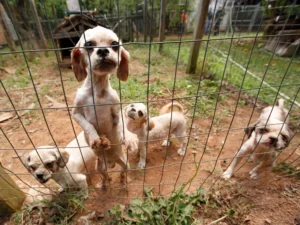
When you swing by your local pet store, the sight of adorable puppies playing behind glass might pull at your heartstrings. But take a closer look and you might start to wonder where those pups really come from. Many people don’t realize that some pet stores are connected to puppy mills, which prioritize profit over the well-being of the animals.These mills often house dogs in cramped, dirty conditions, making it tough for puppies to grow up happy and healthy.
It’s importent to dig deeper before making that impulse buy. Here are a few signs that your local pet store might not be as ethical as it seems:
Choosing to adopt instead can make a world of difference. Here’s a swift comparison of adopting from shelters versus buying from pet stores:
| Adoption from Shelter | Buying from Pet Store |
|---|---|
| Supports local rescues | May support puppy mills |
| Typically has adoption fees | Can be costly with markup |
| Frequently enough includes vaccinations & health checks | Health history might potentially be unclear |
When you’re checking out a pet store, it’s critically important to keep your eyes peeled for certain red flags. If the shop seems more like a factory than a friendly neighborhood pet store, it’s a sign you might be looking at a puppy mill operation. Be on the lookout for puppies stacked in cages,frequently enough with little room to move around. If the place smells bad or seems dirty, or if you’re not getting any warm fuzzies from the staff, that’s another clue that something’s off. A reputable store should be clean and welcoming.
 Another thing to watch for is the health and condition of the puppies. If the puppies look sickly or have noticeable issues, that’s a big red flag. Healthy puppies should have shiny coats, radiant eyes, and overall good energy. Also, if the shop has a limited selection or only features popular breeds, they might be sourcing from a mill. A place that really cares about their pets will offer a variety of breeds and mixed-breed puppies, letting you know they’ve gotten their pups from good backgrounds.
Lastly, take note of how informed the staff is. If they can’t answer basic questions about a puppy’s health history or breeding origins, it’s a bad sign. They should be able to give you info about where the puppies came from and provide you with necessary paperwork, like health guarantees.If they brush off your questions or seem cagey about answering them, it’s best to walk away. Remember, in a responsible pet store, it’s all about making sure every pup goes to a loving home, not just about making a sale.
When you walk into a pet store, it’s easy to feel all the warm and fuzzy vibes—puppies wagging their tails, kittens playing, and maybe a parrot doing tricks. But what’s happening behind the scenes can be a whole other story. Pets frequently enough come from puppy mills, where the focus is more on making a quick buck than on the wellbeing of the animals. This affects more than just their health; it impacts their emotional and social development, too. Too many of these puppies are raised in cramped, unsanitary conditions with little to no socialization, which can lead to behavioral issues later on.
 Understanding these issues is key. Animals from puppy mills often face a range of problems, including medical issues like hip dysplasia, heart problems, and parasites. Behaviourally, puppies that haven’t been loved or played with can grow up to be anxious, fearful, or aggressive. They miss out on crucial early experiences that help them learn to trust humans. It’s a cycle that can continue, as many of these dogs end up in rescues or shelters, trying to find a forever home after a tough start in life.
So, what can you do? Being informed is half the battle. Here are some steps to consider:
Choosing where to get your pet is a big deal,and you want to make sure you’re not inadvertently supporting any unethical practices. When you’re checking out local pet stores, look for a few signs that set the good ones apart from the bad. Ask about their sources. A responsible store will be open about where their animals come from and can provide details on any breeders they work with. If they’re vague or defensive, it’s a red flag.
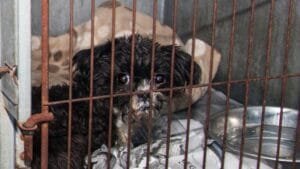 Also, consider visiting the store more than once or check out any online reviews.Watch for happy, healthy animals. Do the pets look well-cared-for? Look for cleanliness in the cages and an overall positive habitat. Stores that prioritize animal welfare often work with local shelters and rescue organizations, so see if they have any partnerships. Those ties can definately help you feel good about where your future furry friend comes from.
If you’re seriously considering getting a pet from a store, pay attention to the signs. Many reputable shops will have information about the breeders they use, such as health clearances and breeding practices. Here’s a quick checklist to keep in mind:
| What to Look For | Red Flags |
|---|---|
| Open communication about sources | Vaguely worded responses |
| Healthy,well-socialized animals | Sad or sickly pets |
| Partnerships with local shelters | No community involvement |
When you take a stroll down the street and see a pet store,it’s easy to think that they’re all about helping animals find loving homes. But the reality is,some of these shops are just masking darker truths behind shiny windows and cute puppies. If you’ve noticed that your local store gets pups in and out way too fast, or they rarely have adult dogs for adoption, it might be time to dig a little deeper. Here are some signs to watch for:
Becoming a voice for change starts with spreading awareness in your community.Talk to your friends and family about what you’ve learned and encourage them to be cautious when looking for a new pet. Consider organizing some community events like:
 Join local advocacy groups or even start one of your own! Working together can amplify your message and push for stronger regulations.You can also reach out to your city council and ask them to look into pet store operations. After all, our furry friends deserve better than being treated as products. Here’s a simple checklist to guide you in your advocacy work:
| Action Item | Status |
|---|---|
| Research local pet stores | ✔️ Completed |
| Contact shelters for collaboration | ❌ Not started |
| Plan community meeting | ✔️ scheduled |
| Reach out to city officials | ❌ Not started |
Q: What exactly is a puppy mill?
A: A puppy mill is basically a large-scale breeding operation that puts profit over the health and well-being of the dogs. These places often have overcrowded conditions, little to no veterinary care, and no real effort to ensure the dogs are socialized or healthy. So, it’s not good news for the pups.
Q: How can I tell if my local pet store is linked to puppy mills?
A: Great question! Some red flags include the shop not letting you meet the puppies’ parents, when they can’t provide health records or if the store gets puppies from a lot of different breeders that don’t check out. If the prices seem too good to be true, that’s also a sign to do some digging.
Q: Why do people still buy puppies from pet stores?
A: A lot of folks just want a cute puppy and think the store is a convenient option.Sometimes,they don’t realize there are better routes to finding a pet,like adopting from shelters or reputable breeders. Some people might not even be aware of the puppy mill issue; it’s not always on their radar.
Q: Are there regulations for pet stores regarding puppy sales?
A: Yep, but the rules can vary widely from state to state. Some places have strict requirements on pet sales,while others can be pretty lax. It’s a good idea to research local laws and see if your pet store is following them.
Q: What can I do if I think my local pet store is involved with puppy mills?
A: First off, you can talk to the store owner and ask questions about where they get their puppies. If you don’t get good answers, consider reporting them to local animal control or animal welfare organizations. Spreading the word can also help raise awareness about puppy mills in your area.
Q: Are there alternatives to buying a puppy from a pet store?
A: Absolutely! You can adopt from shelters or rescue organizations—lots of pups are in need of good homes.You can also seek out reputable breeders who prioritize the health of their dogs and are open about their practices.
Q: What happens to the puppies and dogs that come from puppy mills?
A: Many end up dealing with health issues, behavior problems, or end up in shelters as the owners weren’t prepared for the responsibility. It’s pretty sad when you think about it; they often miss out on a happy life with a family.
Q: Any last tips for potential puppy parents?
A: Just do your homework! Whether you’re thinking about adopting or buying, make sure you’re going through a responsible source. ask questions, visit in person if you can, and trust your gut. A little caution now can lead to finding a loving pup that really deserves a great home!
In wrapping this up, it’s clear that the question of whether your local pet store is a front for puppy mills is no small matter. It’s tough to think about, especially if you’ve been a loyal customer or if you just wanted to bring home a furry friend. Just remember, being a responsible pet owner means looking out for the well-being of our four-legged pals. If you’re in the market for a new pet, take a little extra time to do your homework: research where your future companion comes from and consider adopting from a shelter or rescue. we all want the best for our pets, and being informed is a big step toward ensuring they have a happy, healthy life. So, whether it’s a store, a breeder, or a rescue, make choices that reflect your love for animals. Happy pet searching, and give those cuddles extra tight!

Mateo Cardenas
Part-time editor at Pawsyverse, occasional actor, entrepreneur, and nature junkie. When I’m not writing, you’ll catch me chasing the ball on the soccer field or geeking out over cheetahs and penguins (yep, I know, penguins... but I hate cold weather!). I’m all about good vibes, growing as a person, and staying close to God. Honestly, animals amaze me — after humans, they’re the coolest creatures on Earth.