
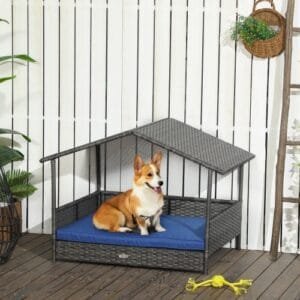

A puppy’s morning resembles a half-drunken ballet. The creature stirs in a modest bed from Dog & Puppy Supplies and eyes the scattering of vibrant toys strewn around like forgotten treasures. It wakes with a curious snarl and a jump that defies lazy sleep. The day begins—no prelude, no apology—with an odd mix of clumsy enthusiasm and quiet determination.
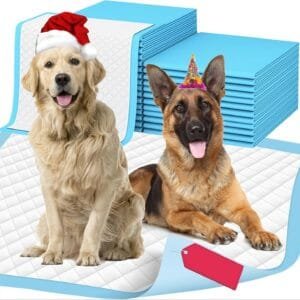
Puppies wreck the morning with a wild attack on chew toys and plastic squeakers. They wreak soft havoc against a backdrop that mocks their delicate existence. Each leap and tumble contributes to the overall soundtrack of unruly frolic. In small corners of the house, these tiny anarchists find solace in simple objects—a discarded sock, a worn-out ball—that suddenly transform into idols of play.
I sit and observe. The sounds of paws hitting the floor blend with soft whimpers and sudden growls. It is simple. It is messy. It is real. The toys take on a personal charm, their scratchy surfaces and unpredictable bounces feeding the puppy’s ever-curious mind. There is no artifice in this display. The moment is raw—like life itself—and it is punctuated by bursts of playful energy.
Simple lists can mark the chaos:
• The clatter of dropped toys
• The quick chase through sunlit rooms
• Moments of quiet reflection in a nap
The puppy’s unplanned joie de vivre reminds any onlooker that life is lived in snippets, in moments when a squeaky toy becomes a trusted companion. There is a quiet rebellion in each playful snap—a refusal to yield to monotony. Each move feels intentional though half-baked by instinct. The puppy thrives on the small sensory pleasures of texture and sound. The scene plays out almost like a study in the unpredictable nature of joy—short, impulsive, and invariably endearing.
Few things catch a puppy’s attention like a random toy. They meet the day armed with nothing but an insatiable desire to engage with every moving object. Toys come in all shapes and sizes, and to a puppy they are personal sidekicks—silent, obedient, and ready for mischief.

There is a subtle humor in how the pup pounces on a rubber ball or gnaws on a twisted piece of rope. The objects matter little; it is the thrill of possession, the moment of triumph when biting yields a squawk or a bounce. In this miniature universe, the textures, colors, and unpredictable motions of toys serve as daily lessons in exploration.
A stray toy becomes an ally in an otherwise lonely day. The puppy is both student and teacher: it tests boundaries and discovers limitations with each tug and toss. In a state of constant re-discovery, the pup shows no signs of indifference. It finds solace—if not meaning—in these objects, much as a man finds a truth in a drab drink. The experience is personal. Every squeak is heard. Every bounce is noted.
In the midst of chaos, toys provide structure. They are the only constants in a swirling day. There is an unspoken order—a reliance on the simple presence of a plaything during solitary hours. Too often we forget that the simplest of objects can provide the most hearty distraction. The pup finds magic in these inanimate objects.
Reflect on these simple truths:
• A toy’s scratch and texture feed a need for contact.
• Movement equals fun.
• Solitude is less daunting when shared with a trusty ball.
The importance of such playthings lies not in their cost or flashiness but in their ability to transform a mundane room into a stage for adventure. In the simplicity of a tossed toy, the puppy finds a fleeting taste of freedom—a reminder of life’s ragged edges and the simple, undemanding warmth of play.
Not every toy suits every pup. The selection process can seem arbitrary to the untrained eye—rubber, rope, plastic—but in practical terms the distinction is vital. The quest for the ideal plaything boils down to durability, texture, and the ability to spark a momentary thrill.

A puppy might try any toy with gusto. Some toys are meant for endless chewing, distracting young minds from the mundane. Others invite a game of chase around the living room. It comes down to selecting items that respond to the pup’s natural energy and unpredictable whims. One may browse through collections like Dog Agility & Training Equipment as well as Dog Toys, such as puzzles and chew objects to keep them busy.
Here are some points to consider:
• Chew toys must endure endless gnawing.
• Puzzles need to challenge without frustrating.
• Interactive toys ought to reward each small victory.
Take a moment and inspect a few features:
| Toy Type | Key Feature |
|---|---|
| Rubber Chew Toys | Durable and forgiving. |
| Puzzle Toys | Stimulate mental agility. |
| Squeaky Plush Toys | Fast-paced fun without fuss. |
Selecting the right plaything is a process of trial and error—a process marked by the occasional stubborn refusal to interact with a fancy new toy. The pup’s choice quickly guides us to what works and what does not. There is no fancy language here; it is a matter of observation. A toy that survives repeated squeezes or gnawing sessions is rewarded with another day of engagement.
In this process the owner witnesses the raw honesty of the pup’s tastes. There is little room for pretense. A toy either excites or it fails; there is no middle ground. The casual observer might chuckle at the intensity of a dog’s concentration over a simple rubber ball. Yet it is in these moments that one finds an odd comfort in life’s smaller, straightforward pleasures. The toy becomes a silent partner in the pup’s journey—a testament to the fact that genuine engagement often comes in humble packaging.
A play area does not have to be fancy. In a modest living room or secluded backyard, one can craft a space that whispers promise to a puppy seeking a little order in chaos. The area might include a few essential pieces, each chosen for practicality and comfort.

A simple play zone requires a few basics:
• A designated corner free of fragile trinkets.
• Items like Dog Pens & Playpens to mark boundaries.
• A resting place with Dog Beds & Furnitures that offers a soft escape.
The space works as both a stage and a sanctuary. A puppy learns to associate the area with moments of fun and a brief respite from the unpredictable rhythms of home life. The room itself becomes a character in the day—its quiet corners a silent tribute to playful spirits. Nothing is overdone; the environment remains honest and direct in its simplicity.
Setting up such an area takes little more than a few practical decisions. One avoids clutter and embraces the essentials. A wall, a corner of the floor, or even a small pen marked off by simple furniture offers plenty of room for exploration. The pup darts in and out of the space, sometimes pausing to sniff at a new object, sometimes nestling into a soft bed after a bout of chaotic play.
This environment encourages a natural routine. It creates a balance—a sort of unspoken contract between the living space and the lively pup. Items arranged neatly help prevent unexpected mishaps. When the toy ball rolls out of bounds or a chew toy lies forgotten, it is all part of a larger picture—a picture of life lived simply and with a quiet, stubborn joy.
A playful puppy is not merely a bundle of legs and misdirected noise. The mind in a puppy craves a challenge—a simple game that forces it to think before it pounces. Interactive play, without pretension, sharpens a young dog’s instincts in a way that feels as natural as breathing.
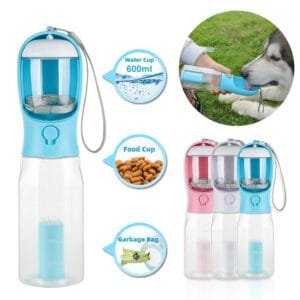
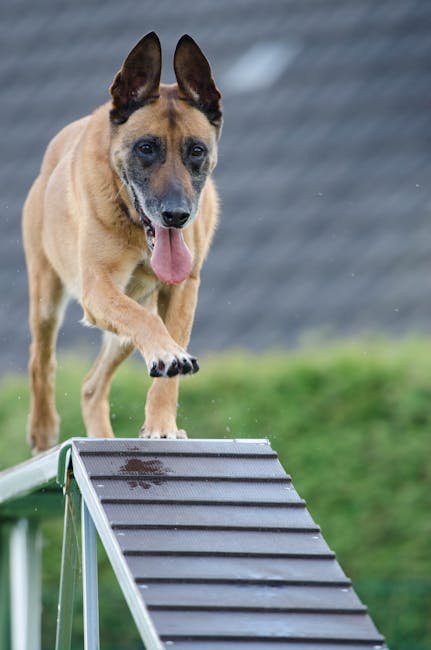
Simple objects become parts of a training regimen. Toss a toy, and the puppy learns to retrieve. Hide a treat in a puzzle toy, and it learns persistence. It is a back-and-forth dance—a challenge and response that feels as honest as a midday brawl with a stubborn truth. Collections such as Dog Agility & Training Equipment provide tools that connect play to basic training, without any grand promises.
Consider these everyday activities:
• A short game of hide and seek encourages focus.
• A simple toss mimics the natural rhythm of chase and fetch.
• Puzzle toys offer mild challenges that reward small successes.
A brief table lays it out:
| Activity | Benefit |
|---|---|
| Fetch and Retrieve | Develops coordination. |
| Hide-and-Seek Treats | Sharpens problem-solving. |
| Agility Obstacles | Builds physical confidence. |
The routines may seem repetitive at first glance, yet each repetition embeds a lesson in energy and discipline. The pup learns structure—its playful antics are not mere chaos but subtle communication with the world. The equipment does not shout for attention; it simply exists to channel raw energy into a simple, mindful exercise.
There is a dry humor here. The puppy does not demand compliments for learning a trick. It moves, it bites, it learns—always with emphasis and the occasional tilt of its head as if to say, “I know what I’m doing.” The simplicity of interactive activities leaves little room for pretense. Instead, it embodies existence in its purest form—a series of moments strung together by instinct and consequence.
When the pup’s theatrics spill beyond four walls, preparedness becomes key. Outings with a curious puppy bring along a new set of challenges, and roommates such as portable cleaning tools become part of the daily routine. On busy days the solution is pragmatic: carry what works.
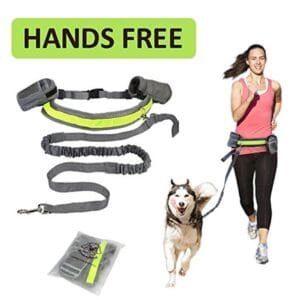
Portable tools offer simple answers. A 2-in-1 Portable Dog Paw Cleaner Cup – Soft Foot Washing Brush for Easy Pet Cleaning proves its worth on mud-soaked walks. A 3-in-1 Portable Pet Water Bottle & Feeder ensures hydration even when treats become scarce. Out in the world, these small gears merge with a pup’s relentless energy—practical items in an unpredictable landscape.
A few benefits stand out:
• Clean paws mean fewer stains on freshly scrubbed floors.
• A water bottle that doubles as a feeder keeps the pace even in the midday sun.
• Automatic feeders help structure if the day drags on too long.
Sometimes, technology makes an appearance without a hint of flash and drama. Tools like Dog Automatic Feeders & Smart Dispensers drop treats at set intervals, providing a brief and welcome distraction. Even Wireless Electrical Dog Fences serve a practical purpose rather than an ostentatious statement.
Here is a simple list to capture the scene:
• Clean up after a mud fight.
• Provide water during a long walk.
• Maintain a steady rhythm in a chaotic day.
The gadgets do not try to impress—they simply work. Their presence is unnoticed until they are needed, and that is when their quiet competence shows. It is a humble nod to modern life: the best tools are often the ones that slip into your routine with barely a sound.
A puppy’s world stretches harrowingly outside the confines of home. Out there, amid uneven sidewalks and unpredictable encounters, proper gear provides both security and a semblance of order. The open air carries a mixture of scents, sounds, and occasional threats—a world that demands readiness without ornamentation.
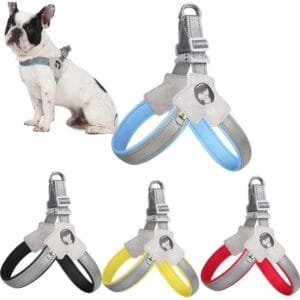
Outdoor play requires simple, sturdy gear. An Adjustable Hands-Free Dog Leash – Ultimate Freedom for Walks! allows both freedom and control. An Adjustable No-Pull Pet Harness with Leash Set – Comfortable & Reflective Dog/Cat Training Solution provides support without choking enthusiasm. Together, these items shape a day spent in honest contact with the neighborhood.
The owner briskly clips on the leash; the pup almost tugs in eager defiance. There is a reality in each step taken down a cracked sidewalk, a reality that merges accountability with a rare freedom—raw, unfiltered, unscripted. The gear does not promise perfection; it simply endures the tug of a puppy and the insistence of urban life.
Walking outdoor becomes a quiet exercise in trust and patience, punctuated by sidelong glances and a few friendly barks. The gear serves as a reminder that play is not confined to a living room. It stretches along sidewalks, in parks, and even on narrow trails where life grows rougher by the minute. The interplay of control and freedom offers a snapshot of the larger world—a world filled with small dramas and honest moments.
The experience feels understated—like a nod to a past when walks meant more than hurried errands. It roots both the owner and the pup in physical reality, where a simple tool like a leash holds the weight of necessity rather than extravagance.
After a day staged in bursts of raw, unfiltered energy, even the most rambunctious pup seeks a quiet reprieve. Rest is not an afterthought but a crucial companion to play—a reminder that even chaos needs its lull.
In a quiet nook lined with a comfortable Dog Bed & Furnitures, the pup curls up. There is a sense of peace that follows the wild day—a pause in the whirlwind. The room, filled with memories of scattered toys and fleeting excitement, softens its edges in the final hours of light. A resting space offers continuity, a brief escape from the constant barrage of sensations.
Simple tools help round out the day. Dog Poop Bags, Waste Containers & Storage Boxes quietly hold the detritus of play, while Dog Bowls & Puppy Feeding Supplies – Dog Eating Bowl ensure that hunger is met without fuss. These items are neither flashy nor haughty—they simply complete the day.
A quiet list of essentials marks the routine:
• A dedicated space for naps.
• Practical accessories to keep the area clean.
• An uncomplicated arrangement that allows the pup to unwind.
In the mellow fall of a day, the pup does not dream in hurried fragments but in calm reflections. The lively chaos returns only when the new sun ascends, leaving behind echoes of simple truths—a balance between frantic play and necessary silence. The world does not beckon for perfection, only for authenticity. And when the pup rests, it recovers the strength to face tomorrow’s small battles with the same intense joy it had today.
Q: What types of dog toys work best for puppies?
A: Toys with various textures that offer a balance between chewability and interactive challenges work well. Puzzle toys, chew toys, and soft squeakers help maintain both physical and mental health.
Q: How do I ensure that my puppy’s play area is safe?
A: Dedicate a clutter-free space using items like Dog Pens & Playpens and Dog Beds & Furnitures to mark boundaries and provide soft resting spots.
Q: How can interactive play benefit my puppy?
A: Interactive play encourages focus and problem-solving. Games like fetch, hide-and-seek with treats, and using Dog Agility & Training Equipment help build coordination and sharp instincts.
Q: What portable accessories should I consider for outdoor play?
A: Consider tools such as the 2-in-1 Portable Dog Paw Cleaner Cup, 3-in-1 Portable Pet Water Bottle & Feeder, and a reliable automatic feeder for treat times.
Q: How do I balance play time with my puppy’s need for rest?
A: Establish a daily routine that includes scheduled interactive play followed by quiet periods on a comfortable bed. This predictable cycle allows your puppy to expend energy and then recharge without confusion.

Mateo Cardenas
Part-time editor at Pawsyverse, occasional actor, entrepreneur, and nature junkie. When I’m not writing, you’ll catch me chasing the ball on the soccer field or geeking out over cheetahs and penguins (yep, I know, penguins... but I hate cold weather!). I’m all about good vibes, growing as a person, and staying close to God. Honestly, animals amaze me — after humans, they’re the coolest creatures on Earth.