





• Check labels with a practical approach.
• Understand your dog’s specific nutritional needs.
• Focus on ingredients that make a difference.
• Know the differences between dry and wet food.
• Read labels—key nutrients matter.
• Consider age, breed, and lifestyle.
• Good nutrition builds lasting health.
• Transition slowly and watch for changes.
Dog food is not a luxury; it is a necessary routine. Every day, a decision is made between bland options and better fuel. The process has its rough edges—work, frustration, and simple logic. I watch owners set out food with careful indifference. The task is as mundane as it is essential.
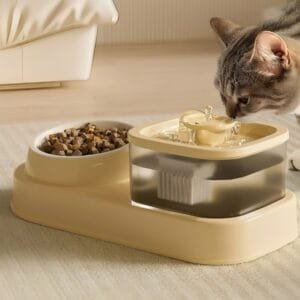
News of quality nutrition often comes wrapped in buzzwords. Here, we see a straightforward approach that demands clarity and common sense. Dogs eat; they live. Their sustenance shapes their day. Look at an owner preparing a bowl from Dog Bowls & Puppy Feeding Supplies – Dog Eating Bowl. There is no artifice—only the hard fact that food matters.
The process is gritty. In the early hours, while the world still yawns, the decision sits on the counter. Heavy hands mix ingredients chosen not for their allure but for their substance. It is a small act that defines a day—neither grim nor grand. The focus remains on quality over language. One checks the label, weighs the options, and sets the pace for a day of health.
A few pointers to keep in mind:
• The choice of food plays a direct role in energy.
• Consistency in ingredients fosters stability.
• A proper bowl sets the stage for routine.
The act of choosing food holds a quiet defiance against mediocrity. It is not a moment to dress up in elaborate prose—it is a moment of honest observation. The feeding routine becomes a ritual, driven by necessity and a brutal, sincere care for the animal’s well-being.
Every dog carries a different energy. Nutrition cannot be a one-size-fits-all answer. Owners must consider size, age, and daily activity—factors that dictate how much fuel the daily grind requires. The focus does not hide behind grand ideas. Instead, it lies in straightforward facts.

Simple truths arise: Dogs need proteins, fats, and carbohydrates. A dog’s diet must balance these nutrients without fuss. Consider the basics:
• Protein: Builds strength.
• Fats: Boost energy.
• Carbohydrates: Provide steady fuel.
I list these points not to simplify life but to underline the essentials. The approach is pragmatic—a set of facts to guide a daily choice. Reading dog food labels becomes a ritual of checking percentages and ingredient order. Each detail on the package matters.
Tabulated clarity helps; here’s a basic run-down:
| Nutrient | Role | Example Source |
|---|---|---|
| Protein | Muscle repair | Meat, fish, legumes |
| Fats | Energy provision | Animal fats, oils |
| Carbohydrates | Vital fuel | Grains, vegetables |
The table outlines what every owner should note as they scrutinize a label. This is not a moment of speculative musing; it is a reality check. Your dog carries an energy requirement that does not indulge in ambiguity.
The daily regimen calls for finding food that matches these demands. It does not invite comparison or ornamentation—only a plain look at necessity. Careful attention at breakfast leads to fewer worries at dusk.
Ingredients hold the secret in a dog’s bowl. The discussion is plain: look for quality, not quantity. The primary duty is to fuel healthy bodies. Not every ingredient makes the cut. Only those that matter survive scrutiny.

The list must include proteins derived from meat sources. Fats should come in controlled amounts to boost energy without excess. Simple carbohydrates deliver steady power throughout the day. Here is a compact table:
| Ingredient Group | Importance | Look For |
|---|---|---|
| Protein | Muscle maintenance | Chicken, beef, fish |
| Fats | Energy, skin health | Omega fatty acids |
| Carbohydrates | Consistent energy | Brown rice, barley |
Analyze labels. Do not let filler ingredients sneak in. Keep an eye out for additives that serve no real purpose. Vitamin and mineral mixes restore balance—a necessary add-on to a solid base.
Simple bullet points summarize the approach:
• Seek high-quality proteins.
• Watch for excessive fillers.
• Maintain a balanced ratio of nutrients.
This is a no-nonsense view of what goes into a bowl. It remains grounded in everyday observation. The ingredients speak for themselves—each one a brutal yet honest testament to nutritional value. A sound diet builds resilience, fuels energy, and spices up life without pretense.
Quality ingredients also signal good management. They show that someone upstream chose a recipe built for health. The owner, much like the dispassionate observer at a quiet dive bar, notes these facts and moves on—each meal a small act of defiant care.
Dry food and wet food stand as two fundamental choices, each offering its own set of benefits. The decision falls on practical grounds. Dry kibble is easy to handle; it lasts longer and fits into a regimented routine. Wet food provides moisture and texture that suits dogs who need extra hydration.

Avoid grand statements. The choice resolves around use and need. Dry food feeds the busy day—it is straightforward and controlled. Wet food carries an element of softness that some dogs appreciate, especially those with sensitive jaws or dental issues. Consider these bullet points:
• Dry food offers longer shelf life.
• Wet food packs moisture that can help with hydration.
• A blend might suit certain dogs after careful trial.
A table simplifies the differences:
| Type of Food | Advantages | Considerations |
|---|---|---|
| Dry Food | Convenience | Must be stored properly |
| Wet Food | Moisture-rich | Can be messier, costlier |
Both types have distinct roles. Daily choices might curve towards one or the other depending on activity, age, or health requirement. It is not a matter of right and wrong—it is a matter of necessity.
The routine can incorporate both types without fuss. Some owners mix them to even out benefits. This flexibility caters to the unpredictable energy of a dog’s day. The food does its job; it nourishes a creature that does not ask for more than what is essential.
The analysis remains crisp—the focus is on function, not flair. Each bite plays a role in shaping the day and fortifying health. This is not poetry; it is a calculation for a sturdy life.
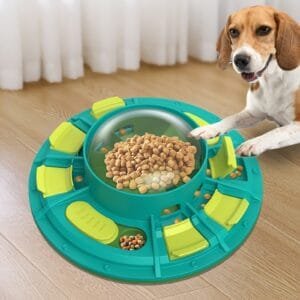
Begin with the ingredient list. The first few names carry the weight of quality. Proteins should appear at the top. Any mention of meat meals or derivatives signals a lower quality when used as fillers. Next, scan for carbohydrates and fats, ensuring they sit near balanced percentages.
A close reading turns chaos into order. Use this simple checklist:
• Does protein come first?
• Are fillers present in large amounts?
• What sources provide fats and carbohydrates?
A table reinforces the approach:
| Element | What to Check |
|---|---|
| Protein | Source and percentage |
| Fats | Type and amount |
| Carbohydrates | Grain quality, vegetable mix |
Avoid labels with vague terms and undetailed nutrients. The clarity of ingredients determines much of the food’s value. Emphasize clear nutrition percentages—no need for flowery language. It is a matter of numbers and order.
Owners who read labels carefully avoid pitfalls that might cost more than they save. They recognize what matters and disregard the rest. This careful reading builds trust in what ultimately fills the bowl. It is a purely pragmatic act—one that pays dividends in the long run.
Multiple factors shape the choice of food—each a simple fact with no hidden agenda. Age, size, breed, and activity level all dictate what a dog needs in its bowl every day. There is a quiet calculation behind every purchase.

Consider the dog’s age first. Puppies need energy and growth support—a diet high in protein and fat. Adult dogs require maintenance, and seniors need food that supports joint health and lower metabolism. Next, account for breed and size. A larger dog requires more substantial nutrition than a toy breed. Finally, the activity level plays a role—active dogs burn calories faster and may need richer food.
A basic list for clarity:
• Puppies: High-energy mix with growth nutrients.
• Adult Dogs: Balanced nutrient profile.
• Senior Dogs: Easily digestible and joint-supporting ingredients.
A table organizes these ideas:
| Dog Category | Key Nutritional Needs |
|---|---|
| Puppies | Higher protein, fats, and calories |
| Adults | Steady balance of nutrients |
| Seniors | Lower calories, added joint care |
Each factor stands on its own. Careful attention to these basics ensures the right nutrition. It is a matter of practicality—a dog does not flourish on assumptions.
Owners also note special health needs. Some require grain-free diets or extra vitamins. The information is not wrapped in hype; it is delivered plain. Internal resources, such as advice on feeding tools at Dog Automatic Feeders & Smart Dispensers, offer support in managing these choices.
The process remains rooted in the everyday—a mix of common sense and daily observation. The chosen food must align with a dog’s lifestyle, fueling long, active days with minimal fuss. The approach is straightforward, relying on fact over flourish.
A good diet does more than fill a bowl. It shapes a dog’s future—its coat, energy, and overall health track steadily improve with quality nutrition. The link between food and long-term health is clear.
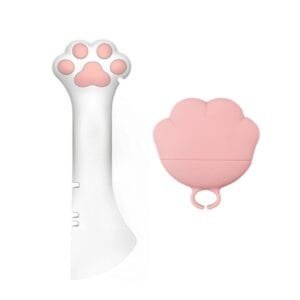 Multifunction Pet Canned Spoon & Jar Opener – Easy Feeding Tool for Cats & Dogs
Quality nutrition builds a healthy immune system. A shiny, smooth coat, reliable energy, and sound digestion all stem from proper ingredients. Over time, these factors reduce the need for extra supplements or frequent vet visits.
Consider the benefits in a bullet list:
• Improved digestion—nutrients are absorbed properly.
• A healthy coat—reflecting internal balance.
• Steady energy levels for day-to-day resilience.
• Reduced risk of allergies and chronic conditions.
A table reiterates the point:
| Health Benefit | Nutritional Role |
|---|---|
| Digestive Health | High-quality fiber and enzymes |
| Coat Condition | Omega fatty acids |
| Energy & Stamina | Proper balance of protein/fat |
Every day, the choice matters. Over months, the evidence appears: fewer health hiccups and a life that withstands small shocks. The relationship between food and health is concrete—there is no wiggle room for ambiguity.
Owners see these outcomes as milestones. A dog fed well stays active; it encounters life with a measured strength born from good nutrition. The food’s impact touches every quiet moment of play and repose. No needless flourish, just the everyday truth that what goes in matters a great deal.
This focus on sustainability makes each feeding session a deliberate act. It is not glamorous but it holds real consequences for long-term well-being.
Switching dog food is a matter of cautious mixing and everyday persistence. Abrupt changes can unsettle even the hardiest pup. The method is simple: mix the old with the new, gradually shifting balance until the new food stands alone.

Begin with a small portion of the new food. Over several days, increase its share while decreasing the current food. This measured approach gives a steady rhythm to the change and guards against stomach upset.
A simple numbered list aids the process:
A table lays out the transition plan:
| Day Range | Old Food Ratio | New Food Ratio |
|---|---|---|
| Days 1-2 | 75% | 25% |
| Days 3-4 | 50% | 50% |
| Days 5-7 | 25% | 75% |
| Day 8 onward | 0% | 100% |
Keep an eye on behavior and digestion. This is a routine, a careful motion in the day. In those moments, the food is more than sustenance—it is a small experiment in trust and care.
Some dogs might need an adjustment period longer than others. Remain patient, and use simple feeding tools to measure portions and monitor progress. Tools like Secure Pet Feeder Station: Lockable & Convenient can help maintain discipline in feeding schedules.
The goal remains steady—a balanced, nutritious diet that endures the test of time. This long, simple routine is marked by observation and adjustment. It forms the backbone of a healthy life, ensuring that each meal plays its part in a dog’s quiet, unpretentious endurance.
Q: How do I know what nutritional balance my dog needs?
A: Base the choice on age, breed, and activity. Check labels for protein, fat, and carbohydrate percentages.
Q: Should I opt for dry or wet dog food?
A: Dry food offers convenience and longer shelf life while wet food provides extra moisture. Some dogs benefit from a mix.
Q: What ingredients should I avoid in dog food?
A: Avoid excessive fillers and vague additives. Focus on clear, high-quality protein sources and essential nutrients.
Q: How do I transition my dog to a new food?
A: Mix the new food gradually with the old over several days. Monitor for any digestive issues or changes in behavior.
Q: What are signs that my dog’s diet is working?
A: A healthy coat, consistent energy levels, proper digestion, and good overall vitality signal that the right food is in place.

Mateo Cardenas
Part-time editor at Pawsyverse, occasional actor, entrepreneur, and nature junkie. When I’m not writing, you’ll catch me chasing the ball on the soccer field or geeking out over cheetahs and penguins (yep, I know, penguins... but I hate cold weather!). I’m all about good vibes, growing as a person, and staying close to God. Honestly, animals amaze me — after humans, they’re the coolest creatures on Earth.