


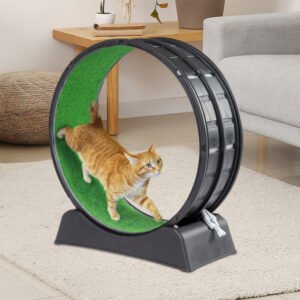


If you’re a cat parent, you know how vital it is to keep your furry friend happy and healthy. But with most cats spending hours lounging in sunny spots, it can be a challenge to get them moving. Enter the cat exercise wheel—a trendy gadget that promises to turn your lazy kitty into a little athlete.But are these wheels really worth the investment? In this article, we’ll dive into the pros and cons of cat exercise wheels, helping you decide whether it’s time to roll one into your home or stick to the tried-and-true methods of playtime. So, grab a cup of coffee, and let’s find out if this could be the solution to your cat’s fitness needs.

cat exercise wheels are becoming more popular among pet owners looking to keep their furry friends active and entertained.One of the major benefits of these wheels is that they provide an outlet for your cat’s pent-up energy, especially for indoor cats that may not have access to the great outdoors. These wheels can definitely help reduce boredom,thereby curbing destructive behaviors like scratching furniture or excessive meowing. With a designated space to run, your kitty might just turn out to be a fitness fanatic!
Another essential advantage is the health benefits associated with regular exercise. Just like us, cats need physical activity to maintain a healthy weight and overall well-being. Using an exercise wheel can help improve your cat’s cardiovascular fitness, strengthen muscles, and even enhance their agility. It’s an engaging way for your feline to burn calories, making it a fantastic choice for overweight kitties or those prone to obesity-related health issues.
Though,there are some considerations to keep in mind. Some cats may take a while to adapt to the exercise wheel, and initial reluctance can be frustrating for both you and your pet. Additionally, not every cat is suited for this type of exercise; older or more sedentary cats may not show much interest. It’s essential to observe your cat’s behavior and ensure they aren’t feeling forced into a workout.If they aren’t interested after several attempts, it might be best to explore other alternatives for physical activity.
When deciding whether to invest in a cat exercise wheel, weigh the pros and cons. Here’s a quick comparison:
| Pros | cons |
|---|---|
| Encourages exercise | Initial reluctance |
| reduces boredom | Not suitable for all cats |
| Improves health | Requires space |
| Fun for both cat and owner | Cost investment |

When it comes to keeping our cats happy and healthy, exercise wheels have become a popular choice among pet owners. These wheels provide a playful way for indoor cats to burn off excess energy, especially for those that might not have direct access to the great outdoors. While customary cat toys and laser pointers are fun, exercise wheels offer a continuous running option that mimics the thrill of chasing prey. This active engagement can lead to improved physical condition and weight management, reducing the risk of obesity, which is a growing concern for many indoor pets.
Furthermore, exercise wheels are excellent for mental stimulation. The repetitive motion and the opportunity to explore an enclosed space can boost a cat’s mood and prevent boredom. bored cats can develop behavioral issues, such as scratching furniture or excessive meowing, so providing a constructive outlet for their energy can definitely help maintain harmony in the home. Not to mention, many wheels come in sleek designs that fit nicely into modern living spaces, allowing both you and your feline friend to enjoy their aesthetic appeal without compromising your decor.
Of course, it’s essential to consider how to introduce the exercise wheel to your cat properly. Not all felines will jump right on board. Some may need a little encouragement.A good approach can be to incorporate treats and patience into the equation. Here’s a quick breakdown of potential tips:
Ultimately, the real question of whether or not to invest in an exercise wheel hinges on your cat’s personality and lifestyle. some cats will readily embrace this new gadget, racing endlessly for joy, while others may give it a passing glance and prefer a sunny windowsill. If you’re weighing out the pros and cons, consider the following:
| Pros | Cons |
|---|---|
| Promotes physical health | Not all cats will use it |
| reduces boredom | May require training/encouragement |
| Space-efficient exercise | Initial cost may be high |
| Improves mental stimulation | Can be noisy for some designs |
While cat exercise wheels can be a fun and beneficial addition to your feline’s routine, there are several potential drawbacks to think about. First off, not all cats take to the wheel as enthusiastically as you’d hope. Some might stare at it with utter disdain, while others may just prefer to lounge on the couch. If your kitty is more of a couch potato, investing in a wheel could end up being a waste of your cash.
Another point to consider is the space needed for these wheels.They tend to have a hefty footprint, so if you’re living in a cozy apartment, you may find yourself juggling where to put it. Not to mention, these wheels can be a bit of an eyesore.They don’t exactly fit in with every decor style, and you’ll need to think about how it will look in your living space.
Furthermore, there’s the issue of safety. Depending on the design, exercise wheels can pose risks, especially for kittens or smaller breeds that might not be able to handle the speed or movement. Cats could easily slip, fall, or even get a paw caught, leading to potential injuries. Investing in a quality wheel with good safety features is vital, but even then, supervision during playtime is recommended. Always check for any loose parts that could become hazards.
don’t forget about maintainance! Like any piece of pet equipment, exercise wheels require a bit of TLC to keep them clean and functioning properly. Dust and hair can accumulate, which might be a nuisance for some pet owners. Here’s a quick table highlighting some upkeep tips:
| Maintenance Task | Frequency |
|---|---|
| Dusting/cleaning surface | Weekly |
| Inspect for loose parts | Monthly |
| Check for wear and tear | Every six months |
Weighing these potential drawbacks against the benefits is important in making the right choice for your furry friend. Just make sure to consider your cat’s personality, your living situation, and your commitment to maintaining the wheel.Each of these factors plays a key role in whether an exercise wheel will be a hit or a miss in your home.

When it comes to picking the ideal cat exercise wheel for your home, there are a few key factors to consider. First off, think about the size of your space. You don’t want to squeeze a giant wheel into a tiny living room. Make sure to measure the area before you start shopping.Wheels come in various sizes, so there’s likely a fit for your room, whether you have a cozy apartment or a spacious house.
Next up is your cat’s weight and size. Not all wheels are created equal, and some are better suited for larger cats or even heavier breeds. Look for models that can accommodate your feline’s weight comfortably without bending or wobbling. If your kitty is a little on the hefty side, you want to ensure they’ll have plenty of room to run without feeling cramped.
Also, don’t underestimate the importance of construction and safety. A sturdy wheel will not only stand up to your cat’s energetic antics but will also help keep your furball safe while they’re zipping around. Check for solid materials and a non-slip running surface. It’s worth it to invest in a higher-quality wheel to avoid any accidents that could scare your pet away from it entirely.
Lastly,consider your cat’s fitness level and personality. Some cats are natural athletes and will jump right in, while others may be more hesitant. You can ease them into using the wheel by placing their favorite toys or treats on it. Make it a fun surroundings so they associate the wheel with positive experiences. If you’re not sure how they’ll take to it, consider a model with an adjustable incline or one that can be used as simply a lounge spot too.

Getting your cat comfortable with an exercise wheel can take some time, so patience is key. Start by placing the wheel in a low-traffic area where your cat feels safe. Make sure it’s not intimidating; you want it to be a fun addition to their environment, not another piece of furniture. Leave the wheel in a quiet spot and allow your furry friend to check it out at their own pace. Curiosity frequently enough leads to exploration.
Once your cat seems comfortable being near the wheel, try to get them engaged with it. You can use treats or their favorite toys to entice them onto the wheel. Positive reinforcement works wonders here. Whenever they approach or step onto the wheel, give them a treat or some praise. For some cats, a little coaxing or encouragement is all they need to take that first step. Make it feel like a game rather than a chore.
if your cat still seems hesitant, don’t force it. rather, allow them to play around the wheel without any pressure. Gradually introduce the idea of running on it by rolling a ball or using a laser pointer to get them to chase somthing across the wheel. you can also sit nearby and gently push the wheel while they’re on it, helping them learn that it’s not just a stationary object but something they can interact with.
Lastly, consistency is critically important. Try to set small, manageable goals, and practice regularly. Each time your cat gets on the wheel, celebrate that win! Keep sessions short and fun to maintain their interest. If they seem to enjoy it more on certain days, take note of what you did and replicate it. Creating a positive, low-pressure association with the exercise wheel can turn it into one of their new favorite activities.
Q: Are cat exercise wheels worth it? What are the pros and cons?
A: If you’re pondering whether cat exercise wheels are worth adding to your kitty’s playtime lineup, you’re not alone. many cat owners are curious about these circular contraptions that seem to have taken the pet world by storm. Let’s dive into the pros and cons to help you make an informed decision.
Pros of cat Exercise Wheels
Cons of Cat Exercise Wheels
Final Thoughts
So,are cat exercise wheels worth it? If your cat is a curious creature who loves to explore,it could be a valuable addition to your home. However, if your kitty prefers lounging in sunbeams rather than sprinting, you might want to consider other forms of exercise, like interactive toys. it’s all about finding what works best for your furry friend and keeping their health and happiness front and center.
In wrapping things up, whether cat exercise wheels are worth it really depends on your feline’s needs and personality.If you’ve got a lazy kitty that could use a little motivation to get moving, a wheel might just do the trick. On the flip side,if your furball is already a ball of energy or isn’t too keen on new gadgets,it might end up collecting dust in the corner.
Before making your purchase, consider your cat’s temperament and how much space you have. Some wheels can take up quite a bit of room, and you’ll want to ensure it fits into your home without causing chaos. Also, keep in mind budget considerations and how ofen you’ll actually see your cat using it. Sometimes, the most straightforward options, like playtime with a feather toy or a bit of laser tag, can be just as effective.
Ultimately, the goal is to keep your pet healthy and happy. So weigh the pros and cons, chat with other cat owners, and be sure to involve your furry friend in the decision-making process. After all, they’ll be the one using it! Happy exercising, and may your kitty enjoy whatever path you choose!

Mateo Cardenas
Part-time editor at Pawsyverse, occasional actor, entrepreneur, and nature junkie. When I’m not writing, you’ll catch me chasing the ball on the soccer field or geeking out over cheetahs and penguins (yep, I know, penguins... but I hate cold weather!). I’m all about good vibes, growing as a person, and staying close to God. Honestly, animals amaze me — after humans, they’re the coolest creatures on Earth.